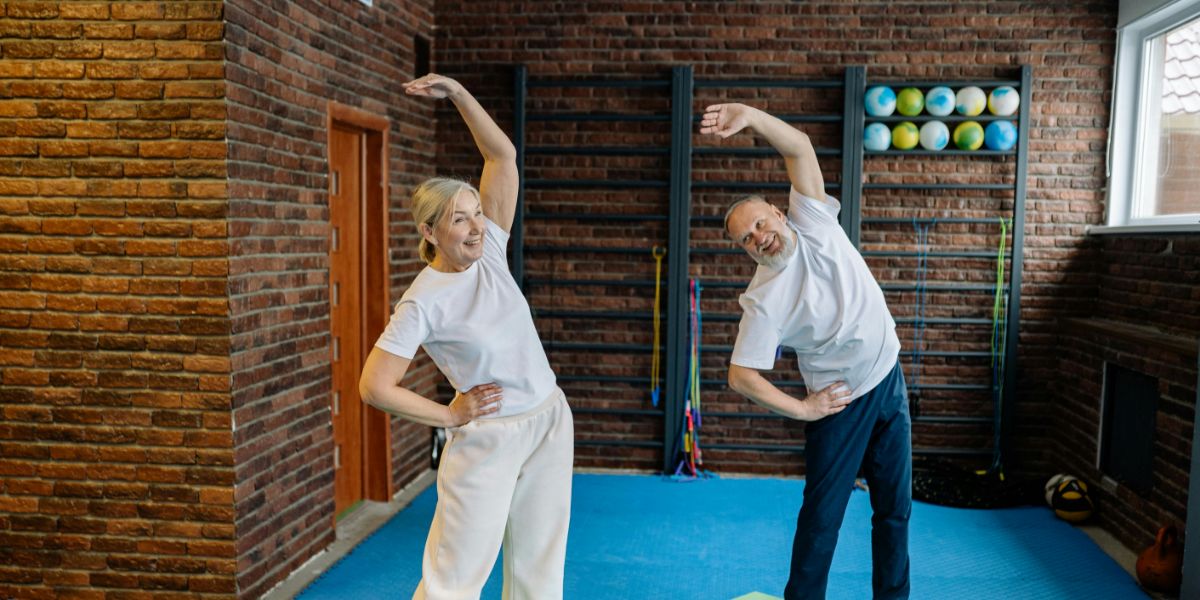

- A long-term Yale study found that 45% of older adults improved in cognitive function, physical function or both.
- People with more positive beliefs about ageing were more likely to improve.
- The findings challenge the lazy assumption that ageing is only a story of decline.
Ageing is often discussed as if decline is inevitable.
A Yale study suggests that is only part of the story.
Researchers analysed more than 11,000 older adults from the Health and Retirement Study, following participants for up to 12 years.
They measured cognitive function and walking speed.
Walking speed may sound simple, but in geriatric medicine it is a serious marker.
It is linked with disability, hospitalisation and mortality.
Over the follow-up period, 45% of participants improved in at least one of the two areas.
Around 32% improved cognitively.
Around 28% improved physically.
That is not a small fringe group.
It suggests that improvement in later life is common enough to be part of how we talk about ageing.
The study also found that averages can hide this.
If you only average everyone together, decline dominates the picture.
But individual trajectories show a more varied reality.
Some people decline, some stay stable and many improve.
The researchers also looked at beliefs about ageing.
People with more positive views of ageing at the start were more likely to improve in both cognition and walking speed.
This relationship remained even after adjusting for age, sex, education, chronic disease, depression and follow-up length.
That does not mean positive thinking cures ageing.
- Daily multivitamin intake linked to slower biological aging in older adults
- Speaking more than one language may help slower aging
- Water more beneficial for managing type 2 diabetes than diet drinks
It means beliefs may influence behaviour, stress, recovery, confidence and engagement with life.
Those things can matter biologically.
The findings also challenge the idea that gains only happen when people recover from illness.
Even people who started with normal cognitive and physical function sometimes improved.
This is an important corrective.
Ageing is not automatically a one-way slide.
There is room for resilience, adaptation and gain.
And if age beliefs are modifiable, then the way society talks about ageing may be part of the health environment too.


