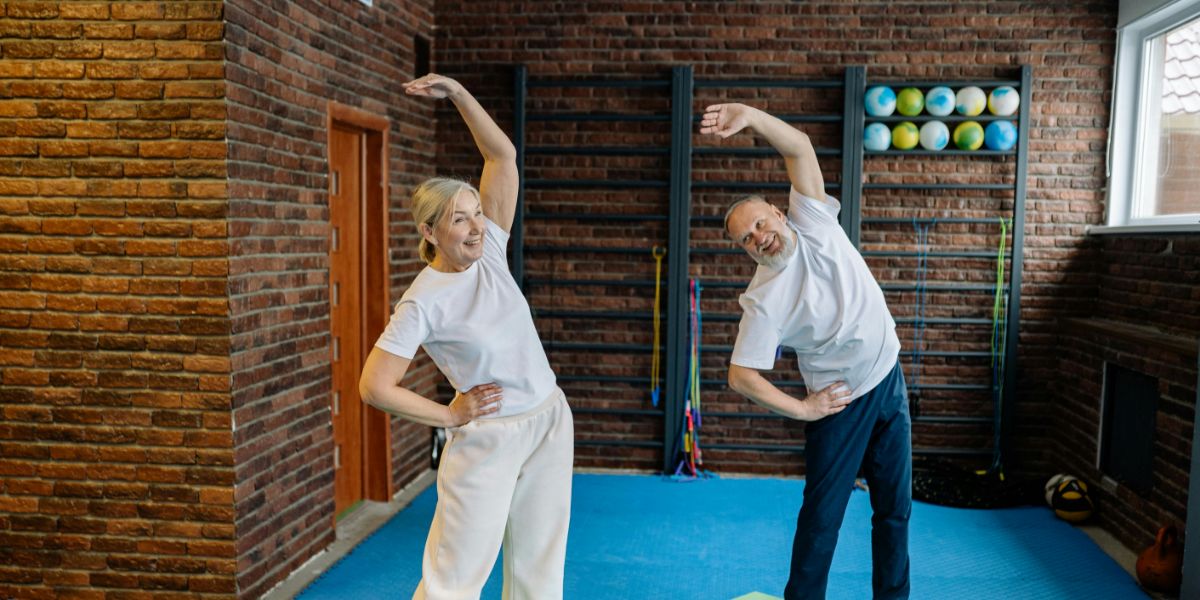

- Research suggests people are more likely to keep exercising when they enjoy it, feel in control and get social support.
- Knowing exercise is good for health is often not enough to make a habit last.
- The best exercise plan is one that feels achievable, rewarding and realistic in daily life.
Most people know exercise is good for them.
That knowledge alone is not enough.
Many people start an exercise routine with good intentions, then stop within weeks.
Research suggests the difference between stopping and sticking with it often comes down to motivation, enjoyment and support.
People are more likely to keep exercising when they feel in control of the activity.
That means choosing something that fits their preferences, their body and their life.
Exercise driven only by guilt or external pressure is harder to maintain.
- Just 30 minutes of hard exercise a week may still make a difference
- Simple floor exercises may improve balance and agility
- Metformin may mimic some exercise-related metabolic effects in prostate cancer care
It may work briefly, but it rarely builds a long-term habit.
Enjoyment matters more than people admit.
If a workout feels miserable every time, the brain learns to avoid it.
If it leaves someone feeling better, more confident or more connected, they are more likely to return.
Self-belief also matters.
People need to feel that they can keep going, even after a missed session, a bad week or a dip in progress.
That is why rigid plans often fail.
Real life is messy.
Work, family, fatigue, stress and health problems all get in the way.
A good exercise plan has enough structure to build routine, but enough flexibility to survive normal life.
Social support helps too.
Training with a friend, joining a group or having encouragement from others can make exercise feel less isolating.
For beginners, gradual progression is usually better than going too hard too soon.
The goal is to build confidence, not prove a point.
Digital tools can help by tracking progress and giving reminders.
- Perceiving nature in daily life and exercise is linked to better mental health
- Regular aerobic exercise may slow brain ageing in midlife
- Ten minutes of vigorous exercise can trigger powerful anti-cancer effects
But they should support motivation, not create shame or pressure.
The best approach is simple.
Choose something you can repeat, make it manageable and build from there.
Long-term exercise is not about perfect discipline.
It is about making movement feel worthwhile enough to come back to.


