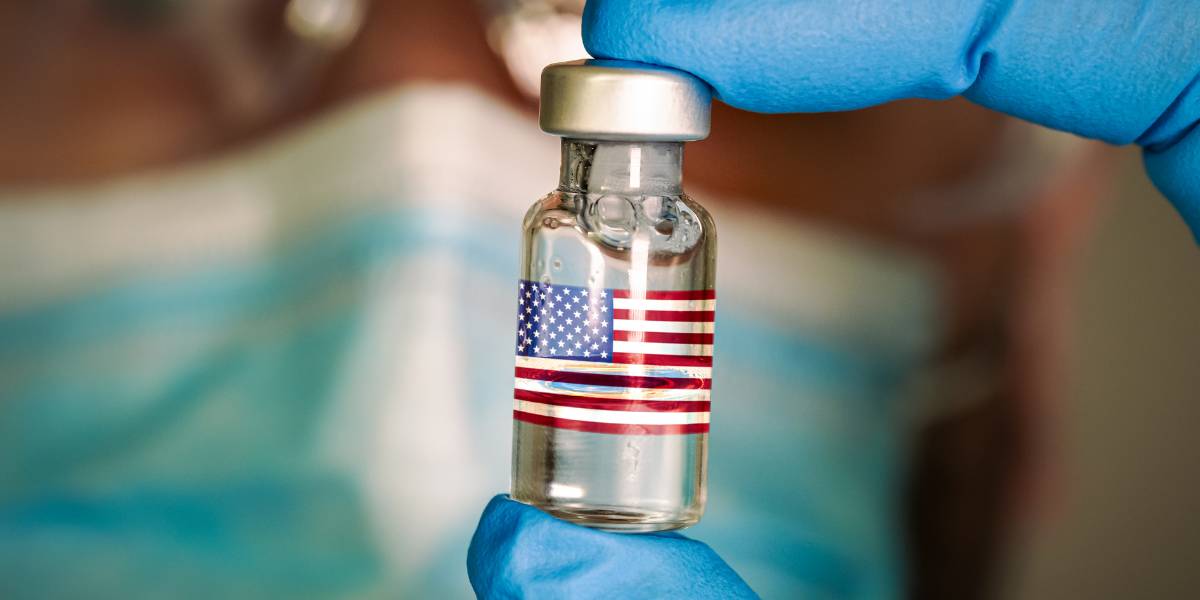

- The US FDA has approved insulin efsitora, a basal insulin taken just once each week.
- More than 3,400 adults with type 2 diabetes took part in the phase 3 programme, with HbA1c reductions comparable to daily basal insulin.
- The US decision does not automatically make the drug available through the NHS; NICE currently lists its appraisal as in progress.
Taking basal insulin every day could eventually become unnecessary for some people with type 2 diabetes.
The US Food and Drug Administration has approved insulin efsitora alfa-gobe, marketed as Onswik, as a once-weekly basal insulin for adults with type 2 diabetes.
Instead of approximately 365 basal injections a year, a weekly treatment would mean around 52.
The drug is designed to release insulin slowly enough to provide background glucose control across seven days.
The FDA decision was based on four phase 3 QWINT trials involving more than 3,400 adults with type 2 diabetes.
Participants included people starting insulin for the first time as well as people who were already using basal or basal-bolus insulin.
Across the studies, once-weekly efsitora reduced HbA1c by a similar amount to once-daily insulin glargine or insulin degludec.
The trials therefore met their main goal of showing that weekly treatment was not inferior to the established daily insulins for glucose lowering.
That builds on earlier research showing that weekly insulin injections can control glucose similarly to daily treatment.
The attraction is straightforward.
Starting insulin can add another daily task to diabetes management.
Reducing that to one injection each week could make treatment simpler, particularly for people who need help administering insulin or struggle with a complicated medication schedule.
But weekly insulin creates different safety considerations too.
With a daily basal insulin, dosing errors can often be corrected relatively quickly.
A once-weekly dose is much larger and remains active for considerably longer.
The FDA specifically warns about medication errors and accidental overdose.
As with other insulin treatments, the most important side effect is hypoglycaemia.
Other reported adverse reactions include injection-site reactions, allergic reactions, swelling and weight gain.
That means understanding how to test blood glucose and recognise a low remains important even if injections become less frequent.
Weekly insulin is also not simply a longer version of someone’s existing basal-bolus insulin regimen.
Switching between preparations requires specific dosing instructions from the clinical team.
The FDA does not recommend Onswik for people with type 1 diabetes because trials identified an increased risk of severe hypoglycaemia.
For people with type 2 diabetes, measures such as Time in Range may eventually provide useful information about how evenly glucose is controlled across the seven-day dosing cycle.
The UK position is separate from the US approval.
NICE currently lists its appraisal of insulin efsitora for type 2 diabetes as in progress, with guidance expected on 22 October 2026.
That distinction matters.
A positive trial and an FDA approval do not mean somebody in England can simply ask their GP for the treatment tomorrow.
NHS availability depends on the UK regulatory and commissioning process, as well as final NICE guidance.
But once-weekly basal insulin is no longer a theoretical idea.
It is now an approved treatment in a major healthcare market, and the UK decision is close enough that people using diabetes medicines should expect to hear much more about it.
Primary source: FDA approval of once-weekly insulin efsitora
UK status: NICE appraisal of insulin efsitora alfa


