
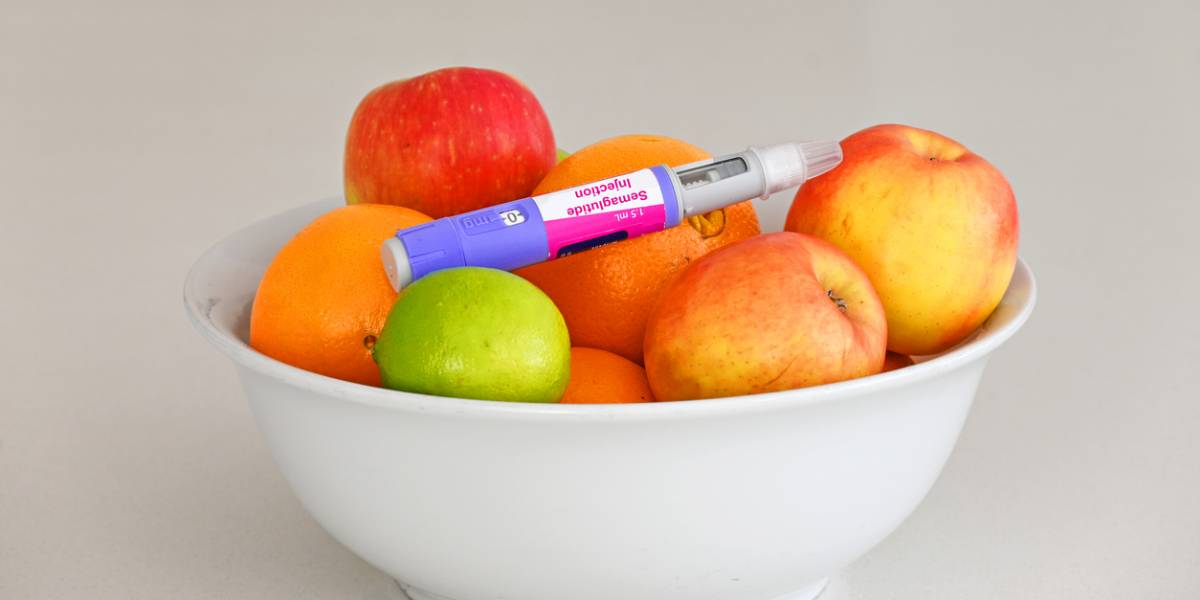
- Retatrutide is an experimental weight-loss and diabetes drug still being tested in clinical trials.
- Products claiming to contain retatrutide are already being sold illegally in the UK, but there is no guarantee what they contain.
- For people with diabetes or obesity, the risk is not just side effects. It is dosing errors, contamination, kidney injury and no proper medical oversight.
Retatrutide has not yet been approved for human use in the UK.
That has not stopped fake versions being sold through social media, gyms, beauty salons and unregulated online suppliers.
This is the dangerous side of the weight-loss drug boom.
People see dramatic headlines about new medicines, hear about appetite suppression and weight loss, then assume the next drug must be better than the last.
Retatrutide is attracting attention because it works differently from current GLP-1 medicines.
It targets three hormone pathways: GLP-1, GIP and glucagon.
GLP-1 helps reduce appetite, slow stomach emptying and support blood sugar control.
GIP can support insulin secretion and may work alongside GLP-1 on appetite and metabolism.
Glucagon is the newer part of the story. It may increase energy expenditure and support liver fat breakdown.
That triple action is why retatrutide is being watched closely by researchers, clinicians and people living with obesity or type 2 diabetes.
But the key point is simple: real retatrutide is still a trial drug.
It is not something you can legally buy from a UK pharmacy, an online seller, a personal trainer or a “research peptide” website for self-injection.
Anything being sold outside a properly regulated clinical trial should be treated as unapproved, unverified and potentially dangerous.
The biggest risk is that you do not know what is in the vial.
It may contain too much active ingredient, too little, the wrong ingredient entirely or contaminants from poor manufacturing.
That is bad enough with any medicine.
- Ozempic breath: gum and mint sales may be getting a boost from GLP-1 users
- Oral GLP-1 drugs may turn down the brain’s food craving circuit
With an injectable medicine, the risk is even higher because sterility matters.
An unregulated injection can carry risks of infection, incorrect dosing and unpredictable reactions.
Some products also arrive as powders that need mixing before use.
That creates another problem: people are doing medical calculations at home with no clinician, no pharmacist and no safety net.
A small mistake can mean taking several times the intended dose.
That can lead to severe nausea, vomiting, diarrhoea, dehydration and, in more serious cases, kidney problems.
For people with diabetes, there is another layer of risk.
Medicines affecting appetite, digestion, insulin and glucose can change blood sugar patterns.
If someone is also taking insulin, sulfonylureas or other glucose-lowering medication, unsupervised use can become dangerous.
This is why proper prescribing matters.
With regulated obesity and diabetes medicines, clinicians check eligibility, medical history, mental health, medication interactions, pregnancy risk, side effects and blood results.
They also review dose escalation and stop treatment if the risks outweigh the benefits.
Black market sellers do none of that.
They are not managing your health. They are moving product.
The fact that someone online lost weight on a fake version does not make it safe.
It means they took a gamble and happened to get a result they wanted.
The next person might get a contaminated batch, the wrong dose or a completely different compound.
There is also a psychological risk here.
When a drug is framed as a shortcut to controlling cravings, weight or body shape, it can become especially risky for people with eating disorders, body image distress or obsessive food thoughts.
That does not mean GLP-1 medicines are bad.
- Retatrutide improves blood sugar and weight loss in type 2 diabetes trial
- Retatrutide may become the most powerful weight loss drug yet
The genuine, regulated versions have become important tools for obesity and type 2 diabetes care.
But this is exactly why counterfeit versions are so dangerous.
They borrow the reputation of real medicine while removing the safeguards that make medicine safe.
Retatrutide may become a major treatment in the future.
It may eventually be approved for obesity, type 2 diabetes or related conditions if regulators decide the evidence is strong enough.
But “promising” is not the same as approved.
Until then, buying so-called retatrutide online or from a local seller is not early access.
It is self-experimentation with an unknown injectable substance.
If you have already taken a product claiming to be retatrutide, do not take more.
Speak to a pharmacist, GP or NHS 111, especially if you have vomiting, diarrhoea, abdominal pain, dizziness, dehydration, confusion or unusual blood glucose readings.
Call 999 if symptoms are severe, if you cannot keep fluids down or if you feel seriously unwell.
The demand for weight-loss medicines is real.
So are the barriers to getting proper treatment.
But counterfeit retatrutide is not a solution to that problem.
It is the kind of risk that looks clever until something goes wrong.
Study link: TRANSCEND-T2D-1 phase 3 retatrutide trial
Official safety information: Eli Lilly information on retatrutide


