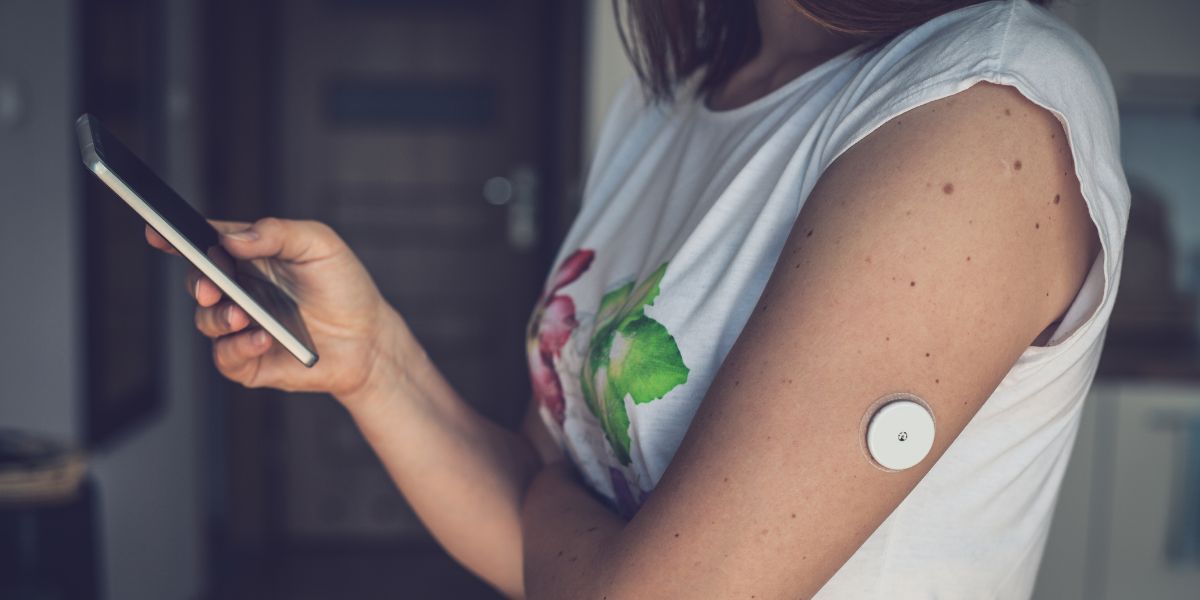

- Researchers tracked glucose during 110 sexual encounters involving 12 adults with type 1 diabetes.
- Glucose sometimes fell and sometimes rose, but no clinically significant hypoglycaemia was recorded.
- The study was tiny and all participants used CGM, so the results cannot guarantee that sex carries no hypo risk for everyone.
Sex is rarely discussed during routine diabetes appointments.
For some people living with type 1 diabetes, one of the unspoken concerns is whether physical activity during sex could trigger a hypo.
A small new study has used continuous glucose monitoring to provide some reassuring, if preliminary, data.
Researchers followed 12 adults with type 1 diabetes for around three months.
Participants recorded 110 episodes of sexual intercourse while wearing CGM devices.
Across those events, the researchers found no clinically significant hypoglycaemia.
That does not mean glucose stayed flat.
Far from it.
In 58% of encounters, glucose fell by an average of 27%, from around 10.0 mmol/L to 7.3 mmol/L.
In the remaining 42%, glucose rose by around 34%, from approximately 6.8 mmol/L to 9.1 mmol/L.
Every participant experienced both rising and falling glucose on different occasions.
That makes sense.
Sex, like other forms of physical activity, can affect glucose differently depending on starting glucose, circulating insulin, stress hormones, timing and intensity.
Night-time encounters were associated with a modest fall in glucose overall.
Daytime encounters produced virtually no average change.
People with a BMI of 25 or above experienced a somewhat larger glucose reduction.
The researchers believe these findings could help address fear of hypoglycaemia, which can affect intimacy and lead some people to deliberately run glucose high.
That fear is not irrational.
People using insulin do need to think about hypoglycaemia during and after physical activity, and delayed lows are well recognised after exercise.
But this study suggests sex should not automatically be treated as a high-risk activity.
There are significant limitations.
Twelve participants is an extremely small sample.
All had CGM, so the results may not apply in the same way to someone relying on occasional finger-prick checks.
Six participants used injections and six used insulin pumps, but there were far too few people to make reliable comparisons between treatment methods.
The work has also been presented as conference research and has not yet been published as a full peer-reviewed paper.
People with hypo unawareness, recent severe hypos or highly unpredictable glucose should therefore continue to take their individual risk seriously.
CGM alerts can offer additional reassurance, and keeping fast-acting carbohydrate nearby is sensible for anyone vulnerable to lows.
If a hypo does occur, it should be treated in the usual way with fast-acting carbohydrate. Diabetes.co.uk has a practical guide on how to treat a hypo.
Perhaps the most useful part of the study is simply that the question was asked.
Diabetes and sexual health should be something people can discuss normally with their clinical team rather than work out alone.


