

Robinredbreast
Oracle
- Messages
- 18,445
- Location
- Planet Earth
- Type of diabetes
- Type 1
- Treatment type
- Insulin
- Dislikes
- Bullies, Liars, Trolls and dishonest cruel people

 A HANDBOOK FOR NURSES, Diabetes Mellitus
by J.K. Watson M.D.
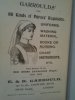
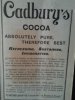
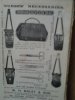
I was clearing out my dad's bungalow and found this book in the bookcase, I flicked through it and decided to take it home and not to a charity shop. The section on Diabetes mellitus is an eye opener and the book looks like it's from the 1910/1914 era.
I thought it would be an interesting read, after reading the Life expectancy thread.
Symptoms :- Many theories have been put forward to account for the disease. We shall be content to say that there is an excess of sugar in the blood, which instead of being utilised for the nutrition of the body, it is discharged in the urine. In addition to the symptoms already mentioned, the malady possesses certain well-marked features. Thirst is complained of, also a voracious appetite. The patient feels languid and tired, and loses flesh, sometimes rapidly. The outlook is usually unfavourable; for although a more or less complete cure may sometimes occur, especially when the disease attacks the middle-aged, yet the vast majority of cases die in from six months to four years. Death may occur from phthisis or pneumonia ( to which the diabetic is especially prone) from exhaustion, or from a condition of coma (diabetic coma)
Management ;- Our principle object is to dimish the quanity of sugar in the urine. We also aim at supporting the strength and relieving symptoms, such as thirst and constipation.
Diet :- The diet is of great importance.
Many doctors believe in cutting off entirely or almost entirely that class of food which contains starch and sugar - namely, the carbohydrates. Others believe it is necessary and even best to only omit the quantity taken. Some of our commonest articles of diet contain starch : for example, bread, potatoes, peas, beans and turnips. The best guides for the regulation and restriction of the diet are (1) body - weight (2) condition of the urine, both as regards the quantity passed and the amount of sugar contained therein.
The diabetic must lead a regular and quiet life. taking a moderate amount of exercise and carefully avoiding exposure to cold and wet.
Drugs :-
A very large number of drugs has been recommended for diabetes. The most valuable is opium, and one of it's active ingredients, codeia, is a favourite and commonly used remedy. Arsenic has it's advocates ; it is sometimes combined with opium. To relieve thirst, a slightly acidic drink often answers well, such as water containing a few drops of diluted sulphuric acid.
Last edited by a moderator:


