It is estimated that between 2% and 3% percent of pregnant women are affected by gestational diabetes during pregnancy.
If the mother’s body cannot produce sufficient insulin to overcome this, diabetes in pregnancy can develop.
Genetics and pregnancy
Genetics is a prominent factor as to whether your child will develop diabetes, with the risk heightened if the newborn’s parents or siblings have diabetes.
The risk percentages vary between type 1 and type 2 diabetes and are also dependent on which parent has diabetes. Read more about genetics and diabetes
Pregnancy and Diabetes



Type 1 diabetes and pregnancy
People with type 1 diabetes should aim to achieve tight control of their diabetes prior to and throughout their pregnancy.
To help you to meet the target level of diabetes control, you may be put onto an insulin pump, if you are not on one already, and your health team should provide plenty of support.
Type 2 diabetes and pregnancy
Pregnancy typically places higher demands for insulin than normal and therefore it is quite common for people with type 2 diabetes to be put onto insulin during their pregnancy.
Whether you are put onto insulin or not, you should receive plenty of help from your health team to ensure your diabetes is well controlled through your pregnancy.
Gestational diabetes and pregnancy
Gestational diabetes is a form of diabetes that develops during pregnancy if the body cannot fully cope with the additional insulin demands of both the mother and baby.
The first line of treatment for gestational diabetes is through diet and exercise, however, diabetes tablets and insulin may be needed if blood glucose levels remain high.
- Read more about the symptoms, risk factors and treatment for gestational diabetes
Target blood glucose levels before and during pregnancy
The target HbA1c (a measure of long term diabetic control) for people with diabetes prior to and during pregnancy is 6.1% (or 43 mmol/mol). [91]
Risks for your baby from diabetes during pregnancy
The following risks are more common as a result of diabetes:
- Abnormal development, particularly with the baby’s heart
- Heart and breathing problems shortly after birth
- Stillbirth or death shortly after the birth
- Developing diabetes later in life
These risks can be reduced with good diabetes control.
Risks for a mother from diabetes in pregnancy
Raised blood sugar levels during pregnancy increases your chances of having a larger baby, which could mean the need to have an induced labour or a caesarean section delivery.
The chances of suffering a miscarriage are also higher with diabetes. Similarly to the risks for your baby, the risks for you can also be reduced with well controlled diabetes.
Diabetes and preconception care
If you have diabetes prior to being pregnant, it is highly recommended to prepare for your pregnancy by ensuring you receive preconception care. Make an appointment to discuss the best preparation for your pregnancy.
Blood glucose control during pregnancy
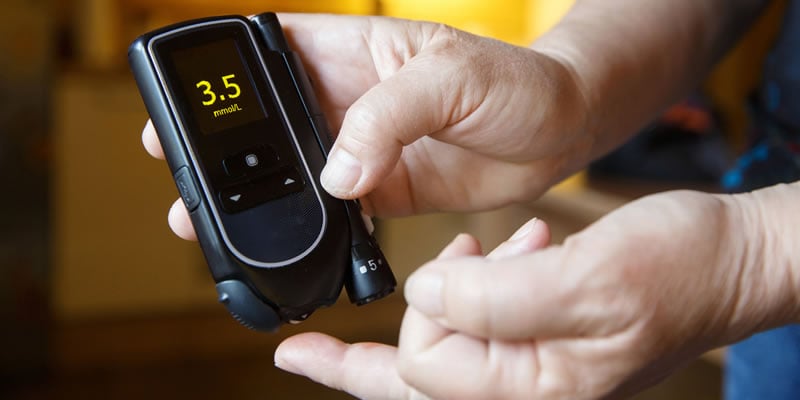
Hypoglycemia (low blood sugar levels) and hyperglycemia (high blood sugar levels) are both likely to happen during pregnancy.
Keeping your blood sugar levels well managed is essential to reduce the chances of complications developing for you or your baby.


