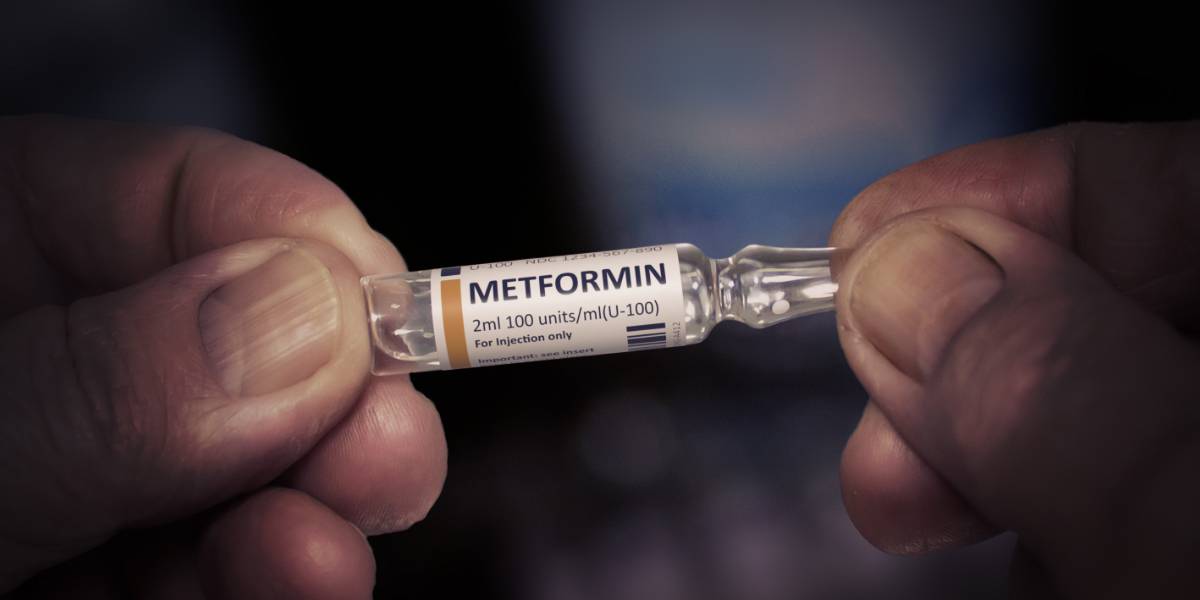

- Researchers have identified ATP5I as a direct target of metformin, the widely used type 2 diabetes drug.
- ATP5I is part of the cell’s energy machinery and may help explain why metformin has effects beyond blood sugar control.
- The discovery is important for research into diabetes, cancer and ageing, but it does not mean metformin should be used casually outside approved care.
Metformin is one of the most widely used medicines in the world.
It has been used for decades to treat type 2 diabetes, but scientists are still uncovering exactly how it works.
A new study from the University of Montreal suggests metformin directly targets a protein called ATP5I.
ATP5I is part of the mitochondrial machinery involved in producing ATP, the cell’s main energy currency.
The researchers found that cells lacking ATP5I became resistant to metformin.
When ATP5I was restored, the cells became sensitive to the drug again.
That points to ATP5I as an important part of metformin’s action.
This matters because metformin has long been linked with effects beyond glucose control.
Some studies have associated it with lower cancer risk and possible effects on lifespan in animals.
Those findings have always raised a difficult question.
How can one old diabetes drug appear to affect so many biological processes?
The answer may lie in the fact that metformin touches a central part of cellular energy handling.
Mitochondria are not a minor target.
They influence metabolism, cell growth, stress responses and survival.
That makes ATP5I an interesting new research focus.
- Metformin may lower blood sugar mainly through the gut
- Metformin may help some people with type 1 diabetes use less insulin
- Metformin may mimic some exercise-related metabolic effects in prostate cancer care
It may help scientists understand how metformin affects diabetes biology, cancer cell growth and ageing-related pathways.
But this is still mechanistic laboratory research.
It does not prove that metformin prevents cancer or extends life in humans.
Nor does it justify people taking the drug without a medical reason.
What it does show is that metformin still has secrets left, even after decades of use.


