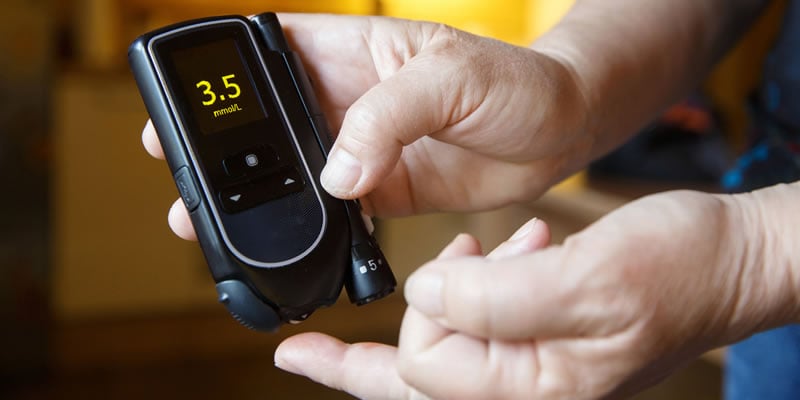
Hyperglycemia occurs when people with diabetes have too much sugar in their bloodstream.
Hyperglycemia should not be confused with hypoglycemia, which is when blood sugar levels go too low. You should aim to avoid spending long periods of time with high blood glucose levels.
What is hyperglycemia?
Hyperglycemia, the term for expressing high blood sugar, has been defined by the World Health Organisation as:
- Blood glucose levels greater than 7.0 mmol/L (126 mg/dl) when fasting
- Blood glucose levels greater than 11.0 mmol/L (200 mg/dl) 2 hours after meals
Although blood sugar levels exceeding 7 mmol/L for extended periods of time can start to cause damage to internal organs, symptoms may not develop until blood glucose levels exceed 11 mmol/L
What causes hyperglycemia?
The underlying cause of hyperglycemia will usually be from loss of insulin producing cells in the pancreas or if the body develops resistance to insulin.
More immediate reasons for hyperglycemia include:
- Missing a dose of diabetic medication, tablets or insulin
- Eating more carbohydrates than your body and/or medication can manage
- Being mentally or emotionally stressed (injury, surgery or anxiety)
- Contracting an infection
What are the symptoms of hyperglycemia?
The main 3 symptoms of high blood sugar levels are increased urination, increased thirst and increased hunger.
High blood sugar levels can also contribute to the following symptoms:
- Regular/above-average urination
- Weakness or feeling tired
- Loss of weight
- Increased thirst
- Vision blurring
Is hyperglycemia serious?
Hyperglycemia can be serious if:
- Blood glucose levels stay high for extended periods of time – this can lead to the development of long term complications
- Blood glucose levels rise dangerously high – this can lead to short term complications
In the short term
Short term complications of very high blood sugar levels include ketoacidsosis and hyperosmolar hyperglycemic nonketotic syndrome.
Ketoacidosis is a dangerous complication that mainly affects people with type 1 diabetes but can also affect some people with type 2 diabetes that are dependent on insulin. The risk of ketoacidosis becomes significant if blood glucose levels rise above 15 mmol/l (270 mg/dl)
There is a higher risk of ketoacidosis if a dose of insulin is missed or during periods of illness
A dangerous complication known as hyperosmolar hyperglycemic nonketotic syndrome can affect people with diabetes if blood glucose levels remain very high, above 33 mmol/l (600 mg/dl) for an extended period of time.
In the longer term
Regularly having high blood glucose levels for long periods of time increases the risk of organ damage occurring which can lead to health problems that are commonly referred to as the long term complications of diabetes
Try to keep as close to the HbA1c target of 48 mmol/mol (6.5%) as this will reduce the chances of developing diabetes complications.
When aiming to achieve or get close to this target, ensure you do not put yourself at a high risk of regular or severe hypos.
- Read more on hypoglycemia
How to avoid and deal with hyperglycemia?
Minimising long time exposure to high blood sugar levels is one of the key objectives of diabetes control
Testing blood sugar levels will help in managing hyperglycemia. People who take insulin may be able to take additional insulin. However, only take additional insulin if your doctor is happy for you to do so, as miscalculations could lead to dangerously low blood sugar levels.
Diabetes UK advise people with type 1 diabetes to test for ketones if blood glucose levels rise above 15 mmol/l or the signs of ketoacidosis appear. Contact your health team if high levels of ketones are present.
If blood glucose levels remain high for long periods of time, contact your health team for advice.


