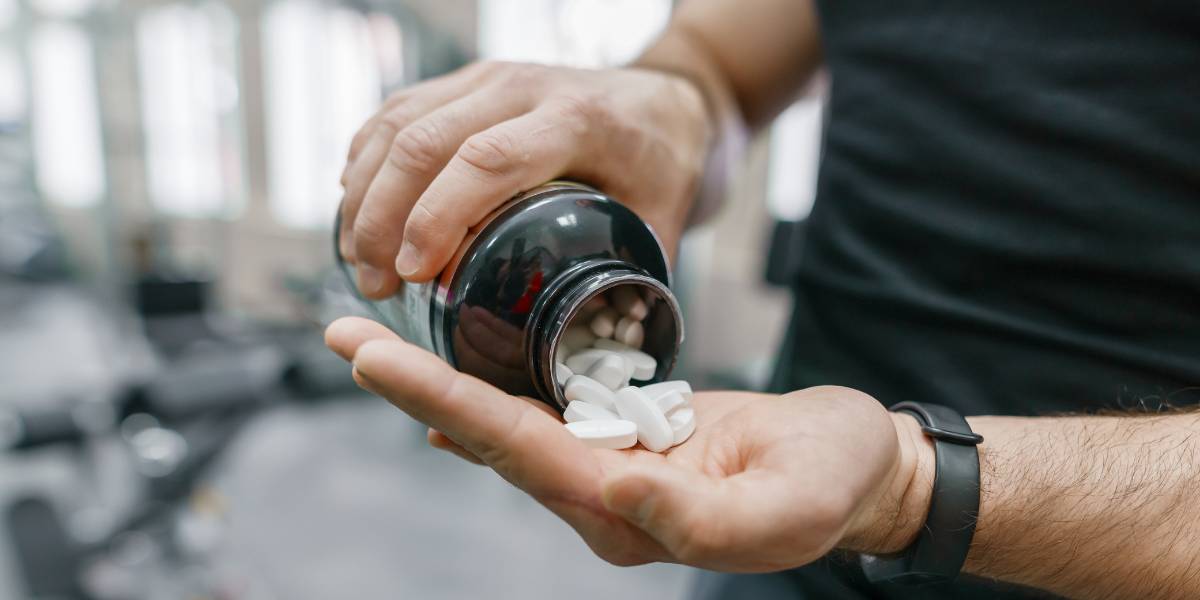

- Experimental tablet works on muscle metabolism rather than appetite signals
- Early trials show improved blood sugar control and fat burning with preserved muscle mass
- The drug is a redesigned beta two agonist created to avoid heart stimulation
For years, medical treatments for obesity and type 2 diabetes have focused on the brain and gut.
Drugs in the glucagon like peptide 1 family reduce appetite and help people lose weight, yet they often cause nausea and can lead to loss of muscle as well as fat.
Researchers in Sweden now report a very different approach. Their experimental tablet, described in the journal Cell, targets skeletal muscle directly. In early studies it appears to improve blood sugar control and increase fat burning while preserving muscle mass.
The compound is based on a laboratory designed beta two agonist.
Traditional drugs in this family are used to treat asthma but can overstimulate the heart and carry significant side effects.
The team at Karolinska Institutet and Stockholm University modified the molecule so that it activates certain signalling pathways in muscle cells while avoiding the pathways that strain the heart.
Rather than changing how hungry someone feels, the treatment nudges muscle to burn more fuel and handle glucose more efficiently.
In animal models this shift improved body composition and blood sugar levels without the muscle loss and gastrointestinal symptoms seen with current injectable treatments.
What the human trials show so far
The drug has been tested in a phase one clinical trial involving healthy volunteers and a small number of people with type 2 diabetes.
These early studies were mainly designed to examine safety and how the drug behaves in the body.
The results suggest that the medicine is generally well tolerated and produces favourable changes in markers of metabolism.
Details of long term effects, including true weight loss, changes in HbA1c and impact on complications, will only become clear in larger and longer trials.
Researchers emphasise that this is a first in class treatment. It will take time to define the right dose, understand side effects fully and confirm that benefits outweigh risks in diverse patient groups.
Combination potential with GLP 1 drugs
Because the new tablet works through a different biological mechanism from GLP 1 medicines, there is interest in combining the two approaches.
In theory, a muscle targeted tablet could complement an appetite based injection, allowing lower doses of each and fewer side effects for the same or greater benefit.
This is only a hypothesis at this stage. Combination trials will be needed to test whether the idea holds up in practice, and whether unexpected safety problems emerge when the two drug classes are given together.
- GLP1 weight loss drugs linked to small rise in chronic cough
- Daily GLP1 pill helps people lose around 10% of their body weight
- Growing evidence that GLP-1 drugs make type 2 diabetes remission possible
What this means for people with type 2 diabetes
For people living with type 2 diabetes, news of yet another experimental drug can be confusing. It is important to keep perspective.
This tablet is still at an early research stage. It is not licensed, it is not available from the NHS or private clinics and it should not influence any current treatment decisions.
If further trials confirm the early promise, the drug could one day offer an oral option that supports weight loss and glucose control while protecting muscle. That would be particularly attractive for older adults and anyone keen to stay active and independent.


