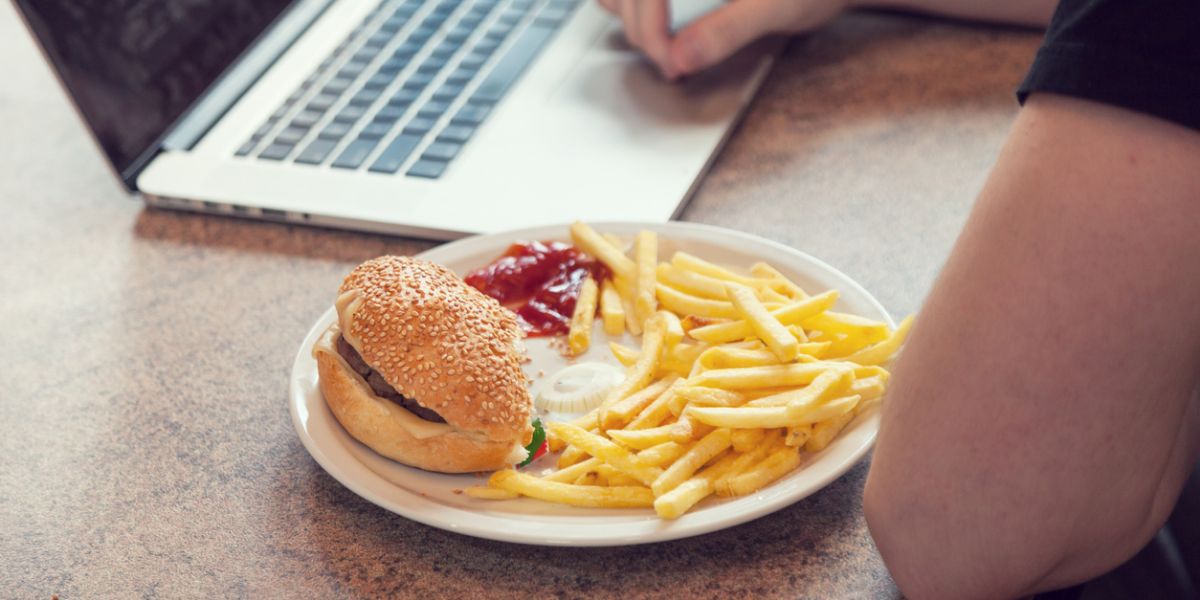

- A major analysis argues that many ultra-processed foods are engineered to drive repeat consumption in ways that resemble tactics used by the tobacco industry.
- The claim is not that eating is the same as smoking, but that some modern products make moderation unusually difficult by design.
- For diabetes and weight management, that shifts the focus from self-blame to smarter environments and better defaults.
Ultra-processed foods are industrial formulations, typically made from refined ingredients plus additives that shape taste, texture, mouthfeel and shelf-life.
Examples include many packaged snacks, sugary drinks, confectionery, many ready meals and a lot of fast food.
They are not “bad” because they come in a packet.
They are “hard” because they are often designed to be:
- hyper-palatable, meaning highly rewarding to eat
- quick to consume, meaning the reward arrives fast
- cheap and everywhere, meaning exposure is constant
What the researchers are saying
This research paper is a policy and evidence synthesis, not a clinical trial.
It draws parallels between ultra-processed foods and tobacco products: both can be deliberately engineered to amplify reward, promote habitual use, and shape public narratives in ways that protect sales.
Key concepts highlighted include dose optimisation and hedonic manipulation, essentially tuning products to maximise “wanting” and repeat purchase.
If a product reliably drives overeating, it pushes weight up and worsens insulin resistance.
Many ultra-processed foods also deliver rapidly absorbed carbohydrates with low fibre, which can spike glucose, then leave you hungry again sooner.
That pattern makes day-to-day diabetes control harder because you get more volatility: bigger peaks, bigger dips, and more cravings.
It also matters for mental load.
If you are constantly fighting your food environment, diabetes management becomes exhausting, and exhaustion leads to worse choices.
The most useful mindset shift
If you have a handful of foods where “just a bit” turns into “the whole pack”, treat those foods like trigger products.
The goal is not to become morally pure. The goal is to reduce exposure to the products that hijack your appetite and make your week harder than it needs to be.
- High intake of ultra-processed foods linked to higher death risk in cancer survivors
- Ultra processed foods may push younger adults to eat more even when not hungry
- Ultra processed food linked to bowel polyps
Practical strategies that work in real life
Change access, not intention
- Do not store trigger foods at home.
- If you buy them, buy single portions, not multi-packs.
- Keep them out of sight, because visibility drives consumption.
Use “protein plus fibre” as a brake
If you are hungry, you are vulnerable. Before shopping or ordering, eat something boring but effective:
- yoghurt plus nuts
- eggs plus fruit
- hummus plus veg sticks
Swap by function, not by label
If you crave crunch, choose crunch. If you crave sweet, choose sweet. Examples:
- Instead of crisps → try roasted nuts, popcorn, crunchy veg with dip
- Instead of chocolate → try yoghurt with cocoa and berries, or a controlled portion of dark chocolate
- Instead of fizzy sugary drinks → try sugar-free options or sparkling water with citrus


