

Having diabetes needn’t be a barrier to actively enjoying sports and exercise. Sportsmen and women with diabetes are common and have achieved some of the highest sporting awards available on the planet.
Famous UK diabetic sports achievers include Steve Redgrave, who has won numerous at the Olympics including his last gold medal which he won after being diagnosed with type 2 diabetes.
Does sport help diabetes?
Sport, or exercise of some form, is recommended for all people with diabetes because it brings a range of health benefits such as improved sensitivity to insulin, improved.
Whether you take part in sport for competitive reasons, or purely for fun, it is a great way to stay healthy.
Sport Guides

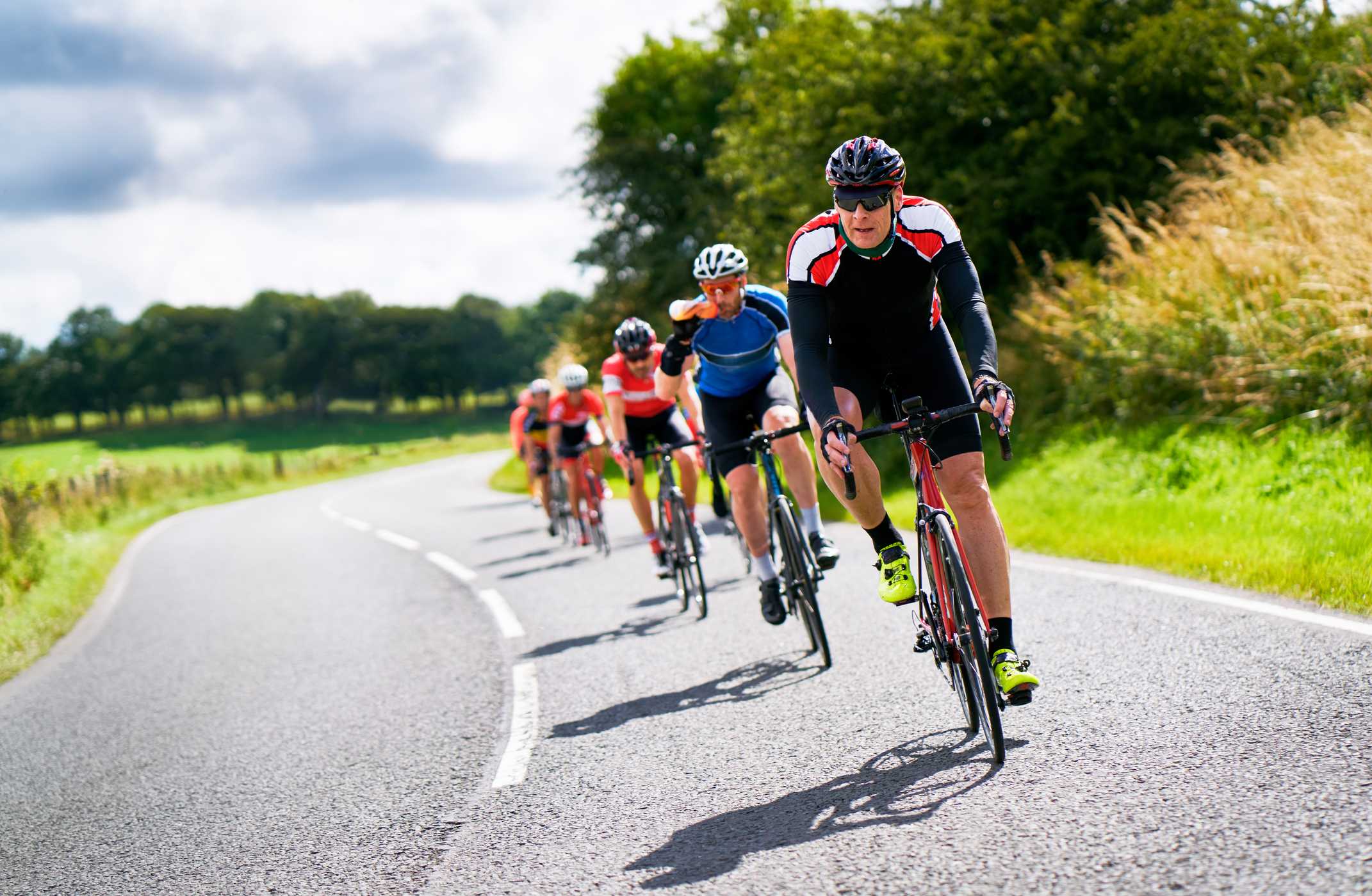







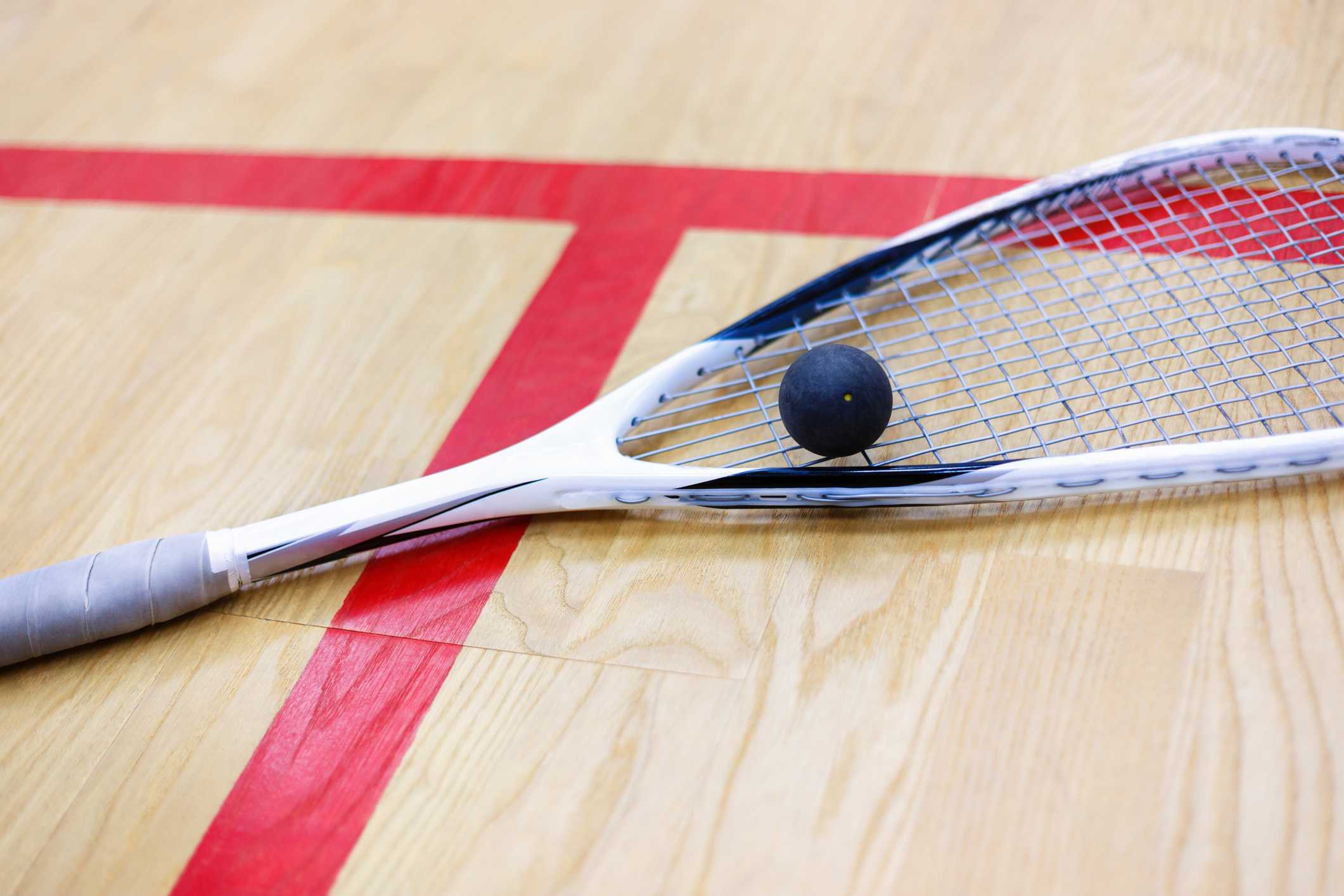
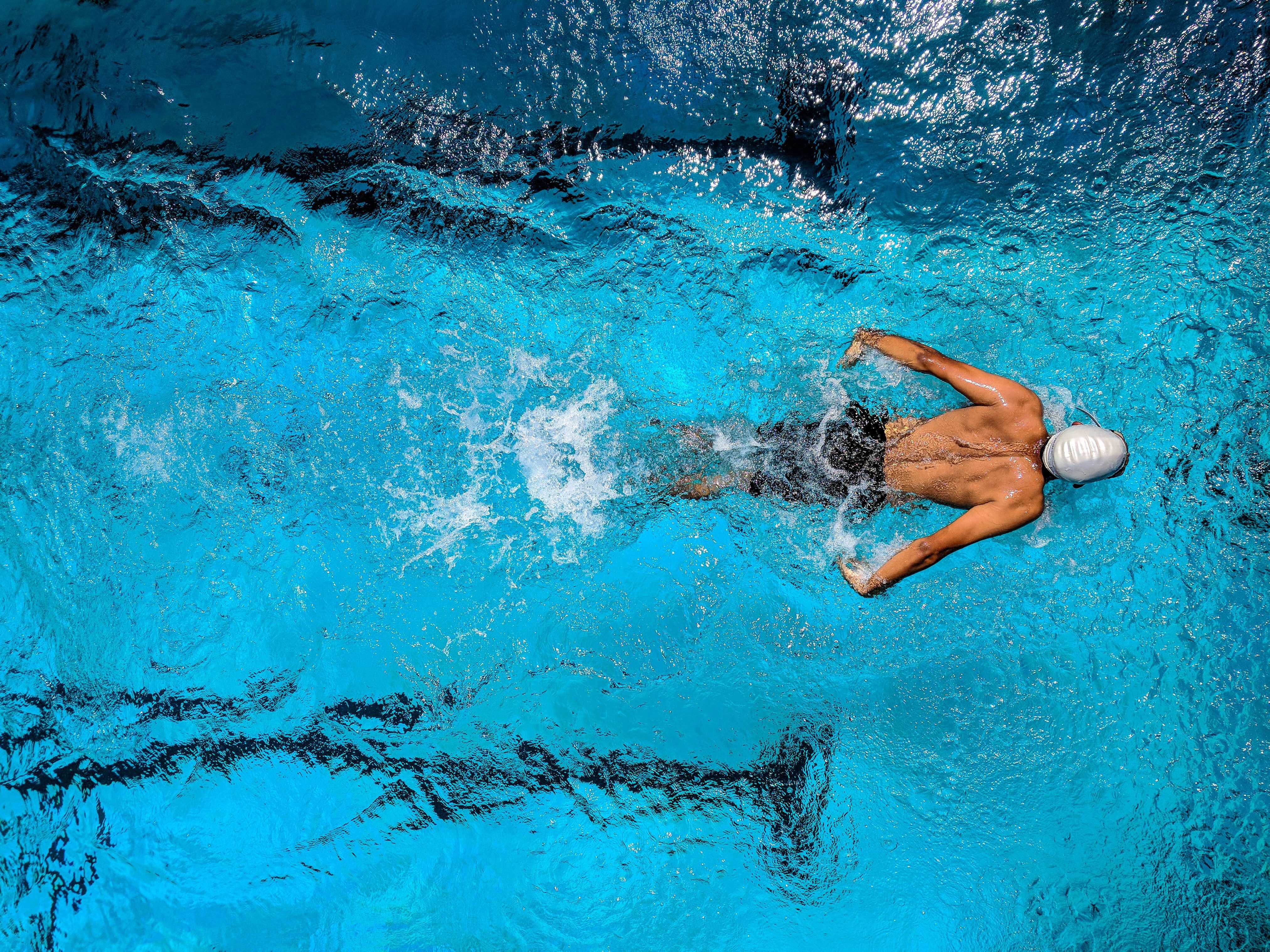

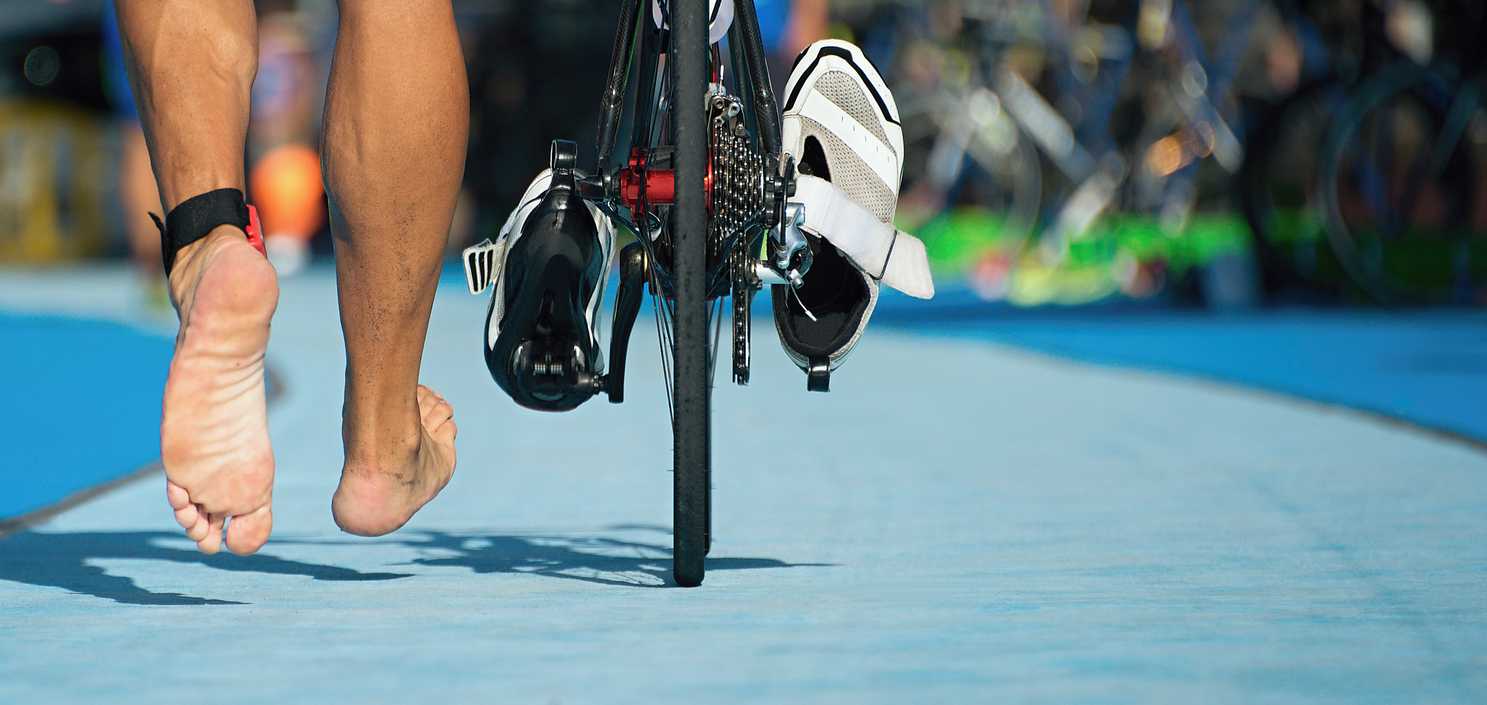



Different sports have different effects on blood sugar
Different sports can affect the body in different ways. For example, brisk walking and continuous jogging will usually lead to a reliable lowering in blood glucose levels.
By contrast, sprinting and some upper body activities can initially lead to rises in blood sugar levels, which will come down if the exercise session is long enough.
By testing your blood glucose levels around exercise, you can learn how different sports and session lengths affect your blood sugar levels.
For information on how a range of sports effect blood sugar levels and how you can manage this, see the guides on individual sports in this section.
Hypos
You will need to watch out for hypos (too low blood sugar levels) if you are on any of the following diabetes medications:
- Insulin
- Sulphonylureas
- Prandial glucose regulators (glinides)
If you take any of these medications then it is important to take precautions to prevent hypos occurring, this may include taking sufficient carbohydrate before or during exercise or reducing your dose of medication prior to exercise.
If you are considering changing your medication dose, ensure your doctor is happy for you to do this.
Test your blood glucose levels regularly around exercise to understand how exercise affects your sugar levels. An intense or relatively long session of sport can lead to lower blood glucose levels for up to 48 hours following exercise.
- Read more about sport and hypos
Performance
Having either too high or too low sugar levels can negatively effect your level of energy so it’s best to maintain sugar levels in a target range
People on insulin will usually have a good level of energy if sugar levels remain between 5 and 11 mmol/l.
People with type 2 diabetes may aim for a tighter window of blood sugar, if possible.
Your doctor can advise you on which levels to stay within when playing sport as the best range will depend on which medication (if any) you are on as well as any personal circumstances.
Children with diabetes and sport
Children participating in sport independently from their parents should prepare for know how to recognise the signs of symptoms of hypoglycemia and should always have glucose within easy access.
Physical education teachers should be aware that hypoglycemia is a risk and know how to treat a hypo should it occur.


