Insulin resistance is the name given to when cells of the body don’t respond properly to the hormone insulin.
Insulin resistance is the driving factor that leads to type 2 diabetes, gestational diabetes and prediabetes
Insulin resistance is closely associated with obesity; however, it is possible to be insulin resistant without being overweight or obese.
Modern research has shown that insulin resistance can be combatted by treatment methods that reduce how much insulin the body is producing or taking via insulin injections or insulin pumps.
Reducing insulin resistance can be achieved by following low-carbohydrate and ketogenic diets.
What is insulin resistance?
The role of insulin is to allow cells of the body to take in glucose to be used as fuel or stored as body fat. [282]
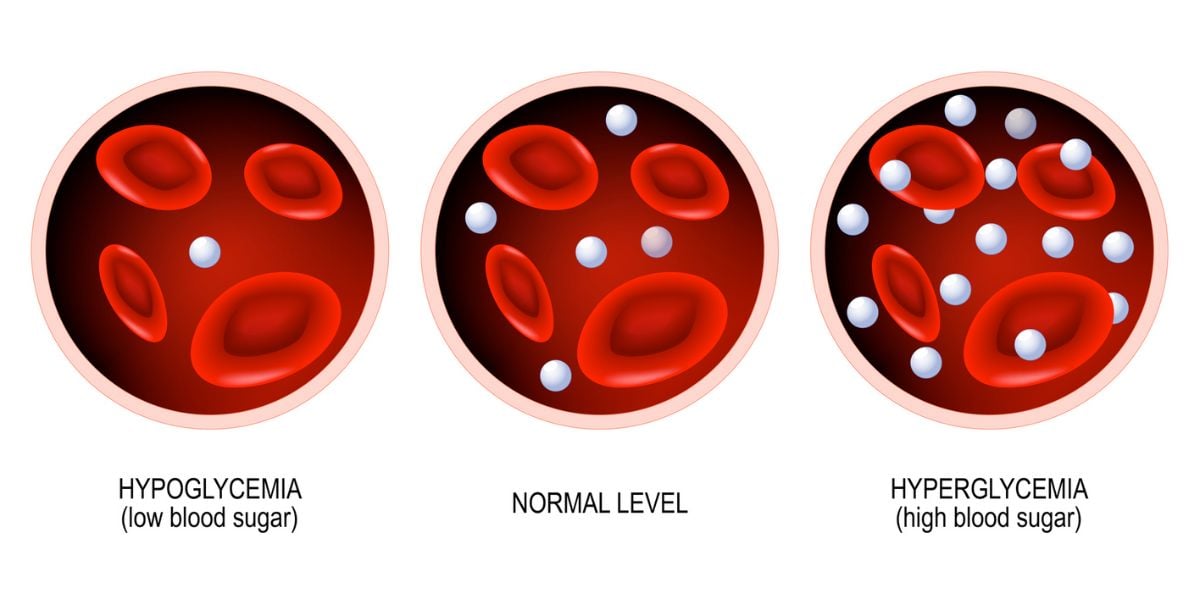
It also means that glucose is more likely to build up in the blood and this can lead to too high blood sugar levels
When the body becomes resistant to insulin, it tries to cope by producing more insulin. People with insulin resistance are often producing too more insulin than healthy people.
Producing too much insulin is known as hyperinsulinemia
Symptoms of insulin resistance
Initially, insulin resistance presents no symptoms. The symptoms only start to appear once it leads to secondary effects such as higher blood sugar levels. When this happens, the symptoms may include:
- Lethargy (tiredness)
- Hunger
- Difficulty concentrating (brain fog)
Other signs that often appear in people with insulin resistance include:
- Weight gain around the middle (belly fat)
- High blood pressure
- High cholesterol levels
If insulin resistance develops into prediabetes or type 2 diabetes, the symptoms will include increased blood glucose levels and more of the classic symptoms of type 2 diabetes
Causes of insulin resistance
Whilst the exact cause of insulin resistance is still not fully understood, it is well-known which factors can lead to insulin resistance developing.
Insulin resistance can commonly develop if one or more of the following factors apply:
- If you are overweight or obese
- Having a high-calorie diet, high-carbohydrate or high-sugar diet
- Sedentary lifestyle – taking little physical activity
- Taking high doses of steroids over an extended period of time
- Having chronic stress
- Having Cushing’s disease or polycystic ovary disease
In terms of what is happening inside the body that causes insulin resistance, researchers have observed that insulin resistance occurs in people that have:
- High levels of insulin circulating in their blood
- Excessive fat stored in the liver and pancreas
- High levels of inflammation
Can insulin resistance be reduced or reversed?
It is certainly possible to reduce the effects of insulin resistance and there are a number of effective ways to do this.
Effective methods include:
- Low-carbohydrate and ketogenic diets
- Very-low-calorie diets
- Weight loss surgery
- Taking a lot of exercise in combination with a healthy diet
These methods share a similar way of working in that they all help to reduce the body’s need for insulin and help people to lose weight.
Read more on reversing the effects of diabetes


