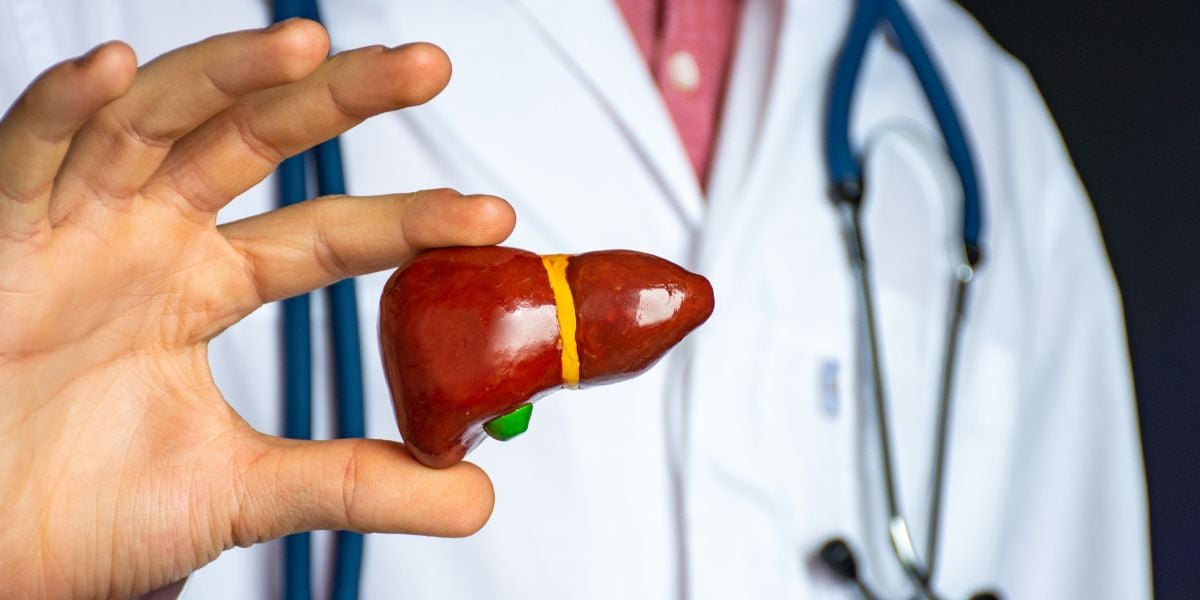

- Surgeons implanted a gene edited pig liver alongside a failing human liver
- The graft worked for more than a month, producing bile and clotting factors
- Complications related to clotting and immune reactions forced removal, and the patient later died
In a landmark case reported in the Journal of Hepatology, Chinese surgeons have shown that a genetically modified pig liver can function inside a human body for an extended period.
The patient, a seventy one year old man with severe liver disease and cancer, survived for 171 days after receiving the experimental graft.
The procedure did not save his life, yet it provides the clearest evidence so far that pig livers can take on vital functions in people.
Why xenotransplantation matters
Demand for donor organs far outstrips supply worldwide.
Thousands die every year while waiting for a suitable heart, kidney or liver.
In China alone, hundreds of thousands of people develop liver failure each year, but only a small fraction receive transplants.
Xenotransplantation, which involves transplanting organs from other species, offers a potential way to reduce this shortfall.
- Sorbitol and the liver: why some sugar substitutes may not be harmless
- Metformin may work in the brain as well as the liver and gut
- Risk of liver disease increased by drinking one can of fizzy drink per day
Pigs are considered promising donors because their organs are a similar size to human organs and they can be bred specifically for transplantation.
However, pig organs normally trigger violent immune reactions when placed in humans, leading to rapid failure.
Genetic engineering is being used to remove pig molecules that provoke immunity and to add human genes that make the organ more compatible.
Details of the case
The patient in this report had cirrhosis and liver cancer related to chronic hepatitis B.
He was not a candidate for standard surgery or for a human donor liver.
As a result, his medical team offered an auxiliary transplant, in which a donor liver is implanted alongside the native organ rather than replacing it.
The donor was a Diannan miniature pig that had been extensively modified.
Ten specific genes were changed to reduce rejection and clotting problems.
Some pig genes that trigger immune attack were removed and human genes involved in coagulation and immune regulation were added.
In the first month after surgery, the pig liver produced bile and key blood proteins, including clotting factors. Importantly, there was no sign of the rapid, catastrophic rejection that has plagued earlier xenotransplant attempts.
Complications and outcome
On day 38, doctors detected a complication known as xenotransplantation associated thrombotic microangiopathy.
This condition involves clotting and damage in small blood vessels and is linked to activation of the complement system, a part of the immune response.
The team removed the pig liver and treated the patient with a complement blocking drug and plasma exchange.
- Researchers identify risk factors associated with an increased risk of liver disease mortality
- Combination therapy associated with long-term remission of advanced liver cancer
- Mortality risk increased by fatty liver disease
The clotting problem was brought under control, but the man later developed severe gastrointestinal bleeding and died on day 171.
Experts commenting on the case describe it as both a breakthrough and a warning.
The study shows that gene edited pig livers can support human patients for weeks and possibly longer.
At the same time, it underlines how complex the immune and clotting systems are and how much work remains before xenotransplantation can become routine.
Possible implications for people with diabetes
Many people with diabetes eventually develop complications that affect the kidneys or liver.
In theory, xenotransplantation might one day provide extra organs for those who currently have little chance of receiving a human donor organ.
That future is still a long way off.
The current case was highly experimental, carried out in a very sick patient under close monitoring.
It does not change current transplant practice and it does not offer a new treatment option for people living with diabetes today.


