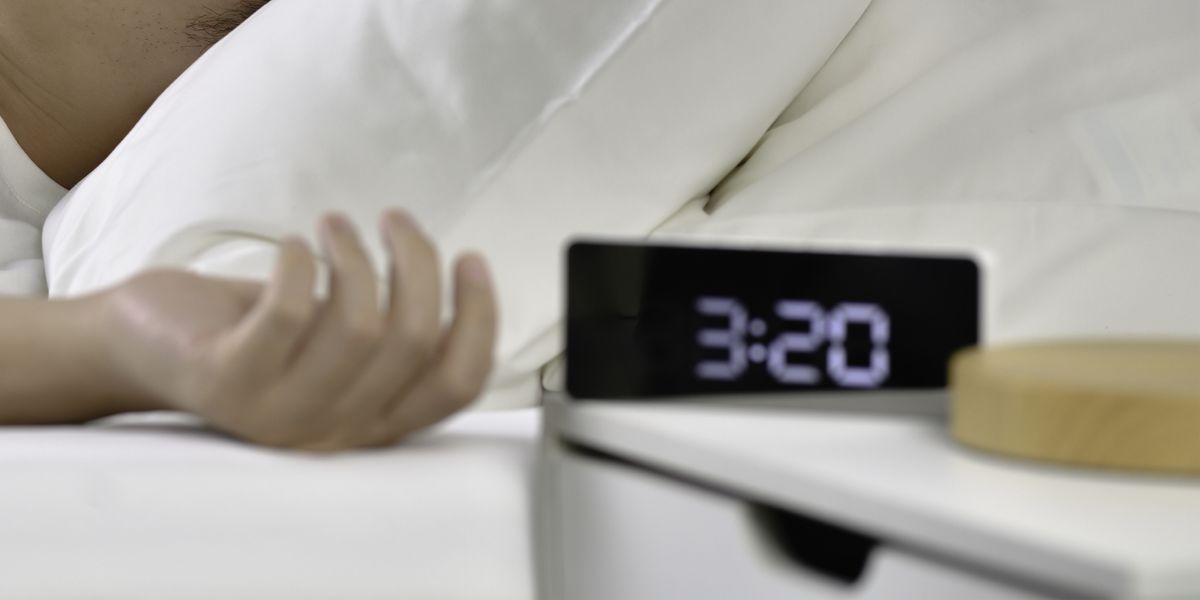

- Your brain runs a body clock that can learn your routine and time your wake up
- Hormones like cortisol start shifting you towards wakefulness before the alarm sounds
- Waking early can be a good sign, but stress or poor sleep can also be the reason
If you have ever opened your eyes a few minutes before your alarm, it can feel like your body is playing a trick on you. In most cases, it is doing the opposite.
It is predicting what comes next.
Deep in the brain sits a tiny control centre called the suprachiasmatic nucleus.
It acts as the master clock, coordinating daily rhythms that affect sleep, alertness, temperature, appetite and digestion.
This internal timing system is guided by light, but it also learns from habit.
When you keep regular patterns for bedtime, waking, meals and exercise, your body gets better at anticipating them.
- High intensity yoga shows strongest link for better sleep
- Poor sleep almost doubles risk of running injuries
- Brain microbleeds triggered by sleep apnoea
As morning approaches, your biology starts changing gear. Body temperature begins to rise.
Melatonin, the hormone that helps make you sleepy, drops.
Cortisol rises as part of the cortisol awakening response, a normal surge that helps you feel more ready to get up and get going.
If your schedule is consistent and you get morning light most days, your body clock can time those changes so they start before your alarm.
By the time the alarm goes off, you are already on the way to being awake.
That is the best case scenario. If you wake before the alarm and feel alert and rested, it often points to a well aligned rhythm and enough sleep.
If you wake early but feel rough, wired or unrefreshed, the cause may be different.
Poor sleep quality, irregular bedtimes or being woken during deeper stages of sleep can leave you groggy and foggy, a feeling sometimes called sleep inertia.
Stress and anxiety can also push you awake.
- Physical activity levels higher among people who go to sleep early
- Eating an avocado a day linked to better sleep, study finds
- Rising temperatures are stealing our sleep
Cortisol is part of the normal morning ramp up, but ongoing stress can raise cortisol at the wrong time, leading to lighter sleep and early waking.
The same can happen with anticipation, whether it is excitement about something coming up or worry about the day ahead.
If you want to make early waking more likely to feel like a win rather than a problem, the basics matter.
Keep a steady sleep and wake time, aim for around 7 to 8 hours most nights, get daylight soon after waking, limit caffeine later in the day, go easy on alcohol and heavy meals at night, keep your bedroom dark and cool and cut screen time close to bedtime.
When your routine is stable, your body clock gets sharper and your mornings usually feel easier.


