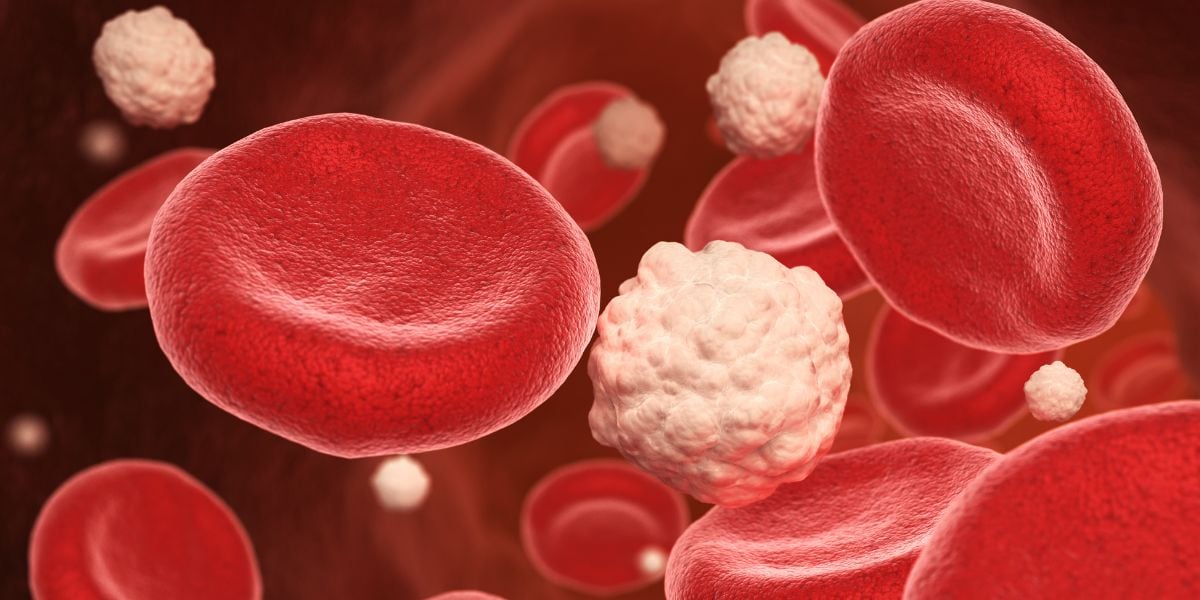

- A study suggests red blood cells can become more harmful to blood vessel function the longer someone lives with type 2 diabetes
- Newly diagnosed people did not show the same effect initially, but similar changes appeared after several years
- A molecule called microRNA 210 in red blood cells may be a future biomarker for cardiovascular complication risk
It is well known that type 2 diabetes raises the risk of heart attack and stroke and that risk tends to increase over time.
A new study from Karolinska Institutet suggests one possible reason may sit inside the bloodstream itself: changes in red blood cells that develop with longer duration of diabetes.
The researchers, publishing in the journal Diabetes, looked at red blood cells from both animal models and people with type 2 diabetes.
They focused on how these cells affect the endothelium, the delicate inner lining of blood vessels that helps control vascular tone and healthy circulation.
The key finding was linked to duration.
Red blood cells taken from mice with long-term diabetes and from people living with long-term type 2 diabetes had a harmful effect on blood vessel function in the experiments.
That harmful effect was not seen in newly diagnosed individuals at the start.
The team also followed people over time.
After around seven years of follow up, red blood cells from individuals who were initially newly diagnosed had developed similar harmful properties, matching the pattern seen in longer duration disease.
In other words, it was not just having type 2 diabetes that mattered in their data, it was how long someone had lived with it.
The researchers then explored a potential mechanism involving microRNA 210, a small regulatory molecule found within red blood cells.
- Getting blood sugar back to normal may cut heart risk in prediabetes
- New diabetes pill aims to lower blood sugar and support weight loss without heart risk
They report that when they restored microRNA 210 levels in the red blood cells, blood vessel function improved in their experimental set up.
That points to a plausible biological link between changes inside red blood cells and the gradual development of vascular problems.
The study authors also raise the possibility that microRNA 210 in red blood cells could become a biomarker, meaning a measurable signal that helps flag risk earlier.
If clinicians could identify who is most likely to develop vascular complications before damage is established, it could support earlier, more targeted prevention.
This is still early stage research.
It does not change day to day advice for people with type 2 diabetes, which remains focused on managing blood glucose, blood pressure, cholesterol, weight, smoking status and physical activity, alongside medication where needed.
But it adds to a growing body of work suggesting cardiovascular risk in diabetes is not explained by glucose alone and that changes in blood components and vessel biology may evolve over years.
The next steps will be to test whether microRNA 210 measurements in red blood cells predict outcomes in larger groups and whether the marker adds useful information beyond existing risk tools.
If it does, it could eventually help personalise follow up intensity and prevention strategies for people living with type 2 diabetes long term.
Study details: Eftychia Kontidou et al. Long Duration of Type 2 Diabetes Drives Erythrocyte-Induced Vascular Endothelial Dysfunction: A Link to miRNA-210-3p. Diabetes (2026). DOI: 10.2337/db25-0463


