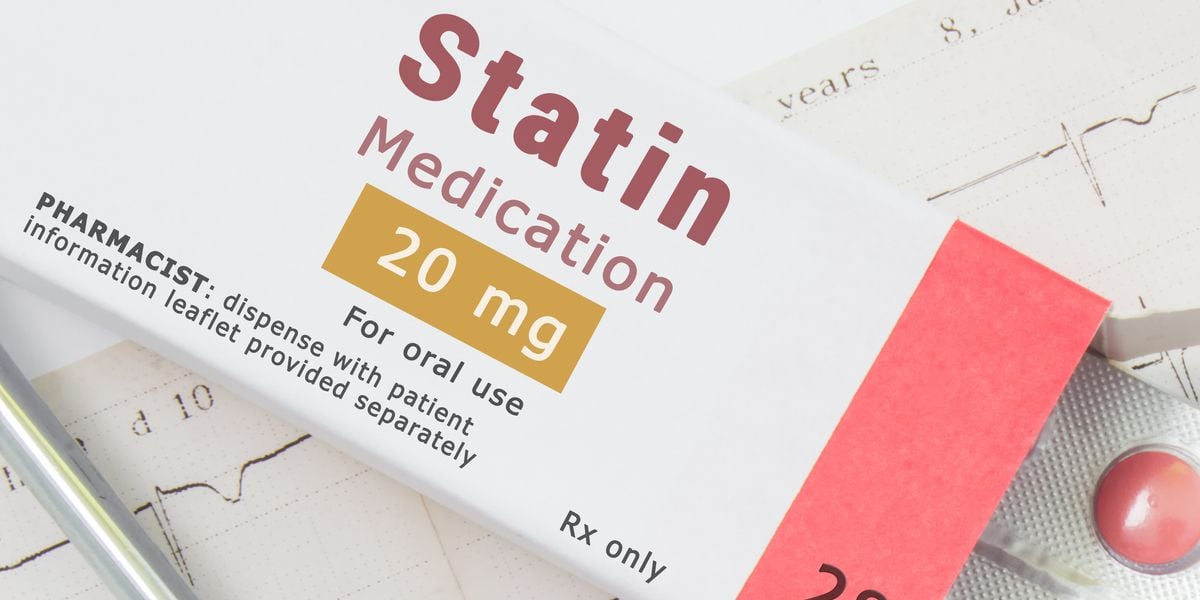

- New experimental research suggests statin-related muscle symptoms may be linked to inflammatory signalling and disrupted muscle metabolism.
- The study points to reduced isoprenoid production, impaired protein prenylation and NLRP3 inflammasome activation as possible mechanisms.
- The findings do not undermine the proven cardiovascular benefits of statins, but may help explain why some people develop muscle symptoms.
Statins reduce the risk of heart attacks and strokes.
That benefit is well established.
But some people taking statins develop muscle pain, weakness or reduced tolerance, even when standard blood tests do not show obvious muscle injury.
A new study in Science Advances explores why that may happen.
The researchers developed experimental models of mild statin-related muscle problems.
They found that statins affected more than cholesterol production.
Statins block the mevalonate pathway, which helps produce cholesterol, but also produces molecules called isoprenoids.
These isoprenoids are needed for protein prenylation, a process that helps certain proteins function properly.
When isoprenoid production and prenylation fell, muscle cells entered a stress state.
That stress appeared to activate NLRP3 inflammasomes.
These are inflammatory danger-sensing complexes involved in immune signalling.
In the models, this pathway increased markers linked with muscle atrophy, including atrogin-1.
It also reduced muscle cell size and impaired muscle function.
The effect was stronger when cells were first exposed to an inflammatory trigger.
That is interesting because it suggests some people may be more vulnerable when muscle cells are already primed by inflammation, infection, gut-barrier signals or other stressors.
In mice, deleting NLRP3 reduced abnormal muscle changes by about half.
Adding back an isoprenoid also reduced some of the muscle atrophy signals in cell experiments.
The researchers also found changes in YAP, a protein involved in maintaining muscle mass and function.
This gives a more detailed picture of statin-associated muscle symptoms.
The problem may not be cholesterol lowering itself.
It may be collateral disruption of isoprenoid-related muscle pathways and inflammatory danger signalling.
- Statins may help more people with type 2 diabetes than previously assumed, study suggests
- Cardiovascular events among people with type 2 diabetes reduced by quick use of statins
- Liver cancer combatted by statin use, study reveals
That distinction matters.
If confirmed in human studies, it could lead to ways of reducing muscle side effects without losing the cardiovascular protection statins provide.
For now, no one should stop statins because of this study.
But people with muscle symptoms should discuss them properly with a clinician.
The goal is not to dismiss symptoms or abandon treatment.
It is to understand the biology well enough to manage both.


