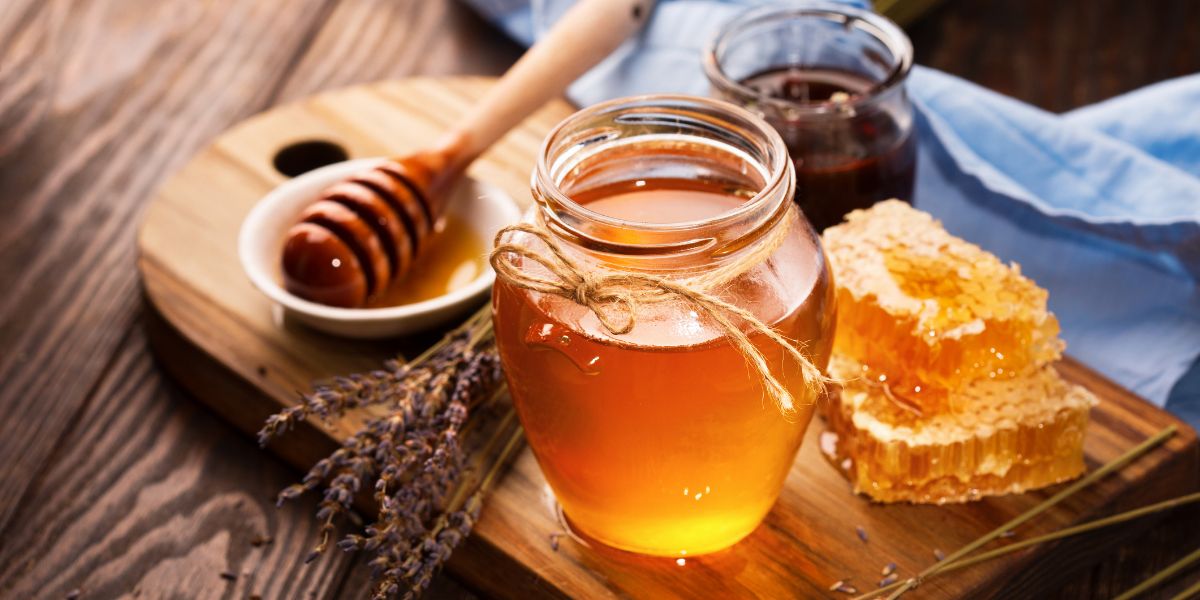

- Researchers in Brazil used native bee honey and ultrasound to extract beneficial compounds from cocoa bean shells, a waste product of chocolate making, creating a chocolate flavoured honey.
- The process increased levels of antioxidant compounds and also transferred natural stimulants found in cocoa, without using synthetic solvents.
- It is being explored for use in foods and cosmetics, although it still contains sugars and should be treated like any other sweet product.
A research team in São Paulo, Brazil, has developed a chocolate flavoured honey by combining native bee honey with cocoa bean shells, a byproduct that is often discarded during chocolate production.
Their approach uses ultrasound to help draw naturally occurring compounds out of the shells and into the honey, creating a product that can be eaten directly or used as an ingredient in foods and cosmetic formulations.
The work was carried out at the State University of Campinas, known as UNICAMP, and published in ACS Sustainable Chemistry and Engineering.
- Dark chocolate ingredient linked with slower biological ageing
- Probiotic chocolate can support gut health
The key idea is that honey can act as a natural, edible solvent.
Instead of using chemical solvents, the researchers mixed cocoa shells with honey and used ultrasound waves to accelerate extraction.
Ultrasound assisted extraction relies on sound energy to create microscopic bubbles in the mixture.
As these bubbles collapse, they briefly raise local temperature and help break down plant material, releasing compounds into the surrounding liquid. In this case, that liquid is honey, so the end product remains edible.
Testing showed that the honey picked up compounds such as theobromine and caffeine, which are naturally present in cocoa.
The process also increased levels of phenolic compounds, which are associated with antioxidant and anti inflammatory activity in laboratory testing.
People who tasted the mixture reported a clear chocolate flavour, which varied depending on the ratio of honey to cocoa shells.
The researchers plan further work on taste and other sensory properties.
The project also highlights biodiversity and local production.
The team used honey from several native Brazilian bee species, which tends to have higher water content and lower viscosity than honey from the European honeybee.
Those properties can make it easier to extract compounds. The researchers tested honey from five species and refined their method using one variety before applying it to the others. They also noted that honey varies with climate, storage, and temperature, so the method may need adjusting for different local honeys.
- Consuming honey reduces cardiometabolic risks, study shows
- Fructose and inflammation: sweetener that may make infections harder to fight
- Type 2 diabetes risk increased by drinking artificially sweetened soft drink
Sustainability was assessed using a green chemistry scoring approach, where using a local, edible, ready to use solvent was seen as a major benefit. The team is now seeking a commercial partner to license the method.
They are also looking at shelf life. Honey from native bees often requires refrigeration or additional processing to improve stability.
Because ultrasound can disrupt microbial cell walls, the researchers suspect it may reduce microorganisms in the honey and extend shelf life, but this needs proper testing.
For people living with diabetes, the health angle needs a reality check. Even if this honey contains extra plant compounds, it is still a sweet product and will still affect blood glucose.
If it reaches the market, think of it as a flavourful treat rather than a health food, and use it in small portions in the context of your overall carbohydrate intake.


