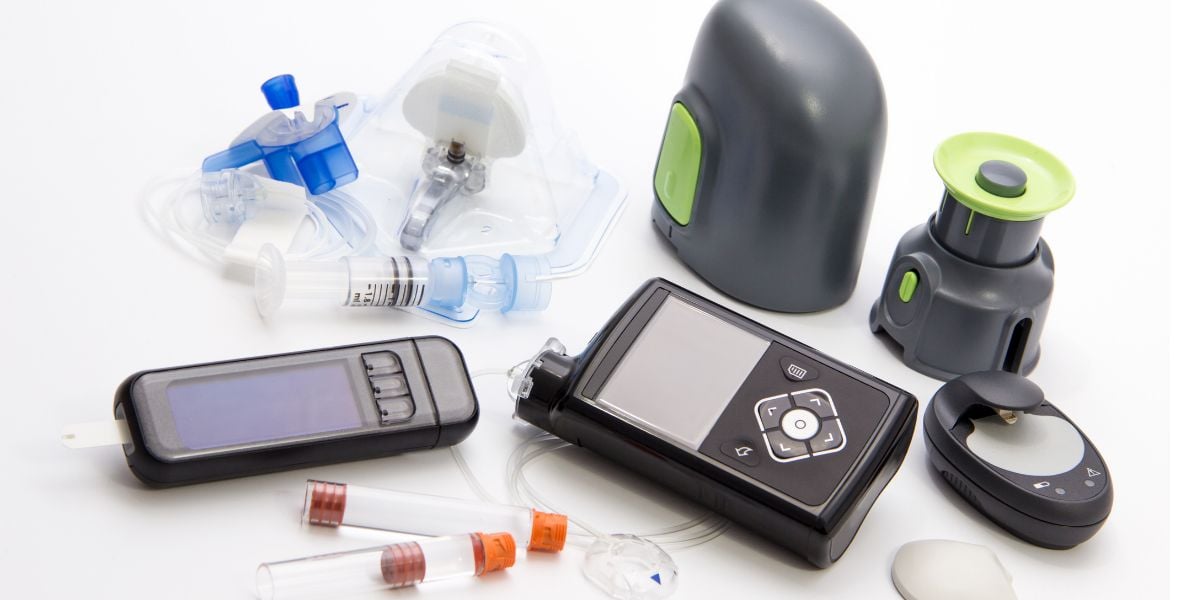
There are many different types of insulin delivery devices available including syringes, pens, jet injectors, oral insulin and pumps which are detailed below.
Furthermore, insulin that can be inhaled and other new approached to insulin treatment are at different stages of availability and development throughout the world.
Insulin Syringes
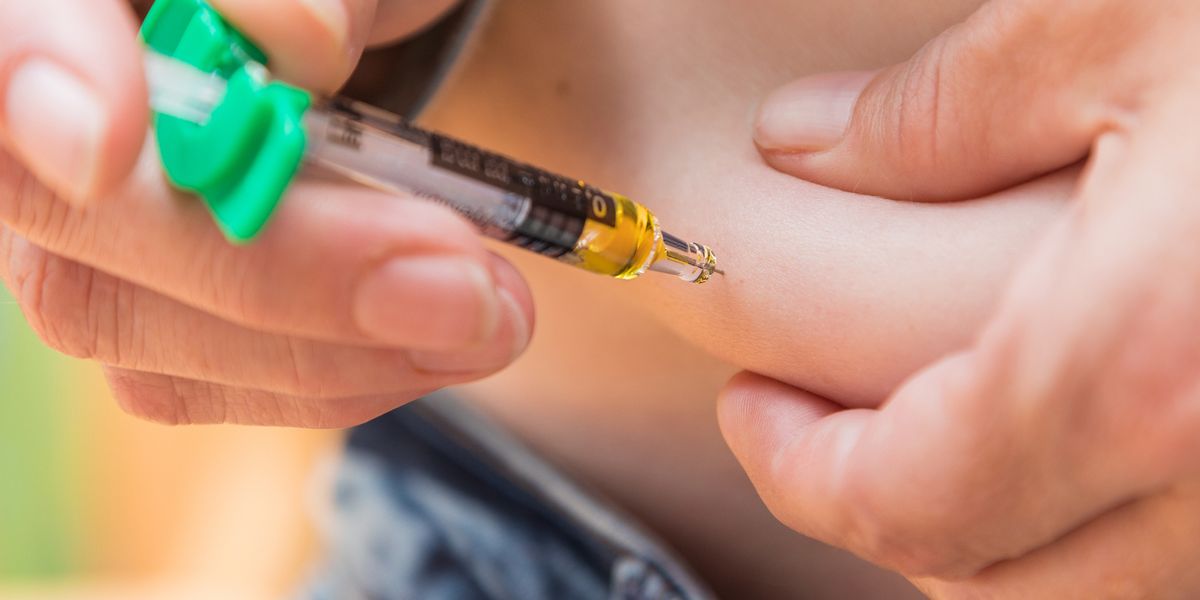
Direct subcutaneous insulin injection remains the most common form of delivery, using a needle and syringe.
The capacity of the syringe should be chosen depending on the dosage of insulin.Other factors are needle gauge and needle length, both of which should be adjusted for comfort.
Your diabetes healthcare professional should be able to advise which needle length you need.
External Insulin Pumps
Although external insulin pumps remain hard to access and expensive, many people with diabetes find them to be accurate, precise and flexible as insulin delivery systems providing tight blood glucose control.
Like most insulin delivery aids, it is important to monitor blood glucose regularly whilst on a pump.
Implantable Insulin Pumps
At this stage, implantable insulin pumps are still in development. Research teams across the globe are working to develop implantable insulin pumps to measure blood glucose levels and provide the precise insulin dose needed.
Those pumps being developed are small, extremely discreet, and weigh very little. This type of pump is implanted surgically, and can deliver a continuous basal dose of insulin and a bolus dose when required.
Insulin Pens
Insulin pens are a very useful way to transport insulin in a discreet way, allowing you to administer insulin on the move or whenever suits you.
Insulin pens are either disposable one-shot devices or they have replaceable cartridges of insulin.
The tip of insulin pens include a fine, short needle and diabetic patients can turn a dial to select the correct dosage.
Insulin Injection Aids
As well as developments such as insulin pens and insulin pumps, further devices have been built to make injecting insulin easier for people with diabetes. This type of insulin works with most syringes and may included spring-loaded syringe holders, syringe magnifiers and light, infusion sets and many more.
Insulin Jet Injectors
Insulin jet injectors are a complex and relatively recent development in diabetes management. This type of device sends a fine spray of insulin through the skin using a high-pressure air current as opposed to a needle. Insulin jet injectors are an amazing alternative for those people with diabetes who have needle phobia
However, this type of device is expensive and requires frequent sterilisation.
Insulin Inhalers
Similarly under development and refinement, insulin inhalers could have a big role to play in the future of diabetes management Some insulin inhalers have already been brought to market, with others still works in progress. Insulin inhalers may use compressed air to deliver a dose of dry insulin or dissolved rapid-acting insulin that can then be inhaled.
The dose is inhaled through the mouth and goes directly into the lungs, where in theory it is absorbed and passes into the bloodstream.
Most insulin inhalers use rapid-acting insulin, and for this reason they do not totally replace insulin injections. However, inhaling fast and slow acting insulin is under development and research teams indicate strong performance.
Concerns have existed over long-term insulin inhaler use and how this will affect the lungs. Similarly if a person with diabetes gets a cold would they still be effective. Furthermore, the consistency and adjustment of dose is also being considered.