Insulin sensitivity describes how sensitive the body is to the effects of insulin. Someone said to be insulin sensitive will require smaller amounts of insulin to lower blood glucose levels than someone who has low sensitivity.
Insulin sensitivity varies from person to person and doctors can perform tests to determine how sensitive an individual is to insulin.
How does insulin sensitivity affect people with diabetes?
People with low insulin sensitivity, also referred to as insulin resistance , will require larger amounts of insulin either from their own pancreas or from injections in order to keep blood glucose stable.
Having insulin resistance is a sign that your body is having difficulty metabolising glucose, and this can indicate wider health problems such as high blood pressure and cholesterol levels may also be present.
By contrast, having a particularly high sensitivity to insulin can also cause problems for people with type 1 diabetes, particularly young children.
Why is insulin sensitivity important?
Low insulin sensitivity can lead to a variety of health problems. The body will try to compensate for having a low sensitivity to insulin by producing more insulin.
However, a high level of circulating insulin ( hyperinsulinemia ) is associated with damage to blood vessels, high blood pressure, heart disease and heart failure, obesity , osteoporosis and even cancer.
Periods of stress and illness can both introduce short term periods of reduced insulin sensitivity. In most cases, insulin sensitivity should recover once the stress or illness has passed.
Can high insulin sensitivity be problematic?
Generally speaking, having a good sensitivity to insulin is a sign of good health, however, there are times when a higher sensitivity can be problematic.
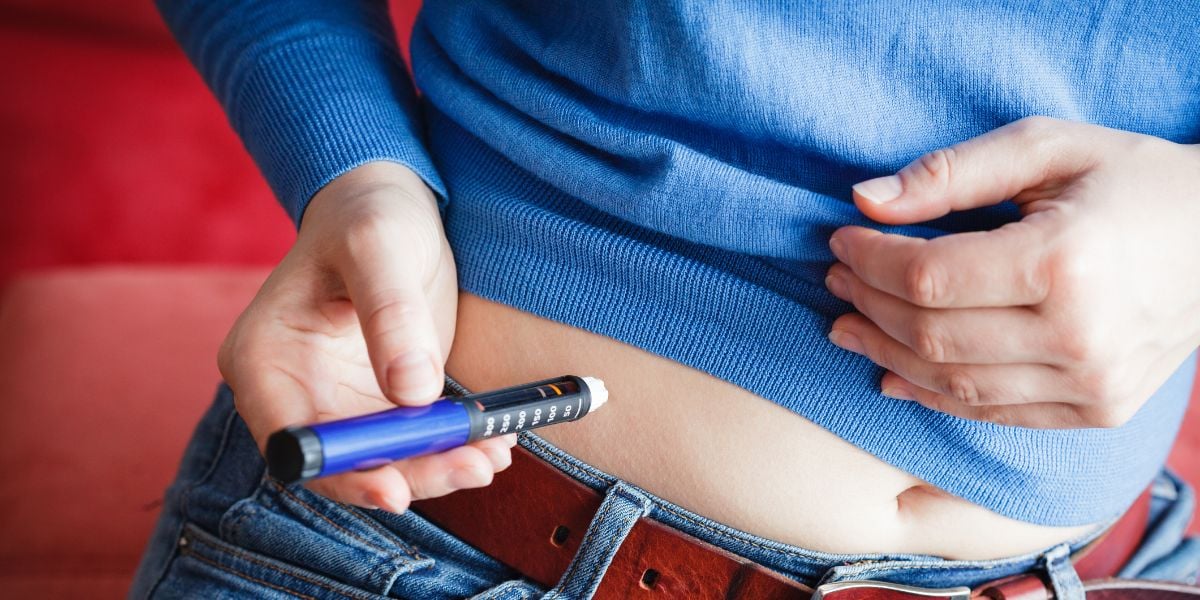
For people with type 1 diabetes , having high insulin sensitivity can sometimes increase the risk of hypoglycemia If you are particularly sensitive to insulin, there are insulin pens which can give half units and could help to reduce the risk of going hypo.
If you feel you would benefit from a pen with half unit gradations, speak to your GP or diabetes specialist nurse.
Physical activity is well known to have insulin sensitising effects and this can also present a higher risk of hypoglycemia for people on insulin and other medication that can induce hypoglycemia. The insulin sensitising effects of exercises can sometimes last for up to 48 hours so it is important to be aware of the increased risk of hypos.
- Read more on preventing hypos
How does low insulin sensitivity occur amongst diabetics?
Low insulin sensitivity, or insulin resistance, is associated with type 2 diabetes , but can also occur amongst type 1 diabetics as well. People with type 1 diabetes and insulin resistance are said to have double diabetes
Researchers have yet to fully understand what causes the body to become resistant to insulin but have found strong associations between having an excess of fat around the organs (called visceral fat ) and decreased insulin sensitivity.
How do I raise or lower my insulin sensitivity?
Fortunately, insulin sensitivity can be increased and improved by changing your lifestyle. This includes exercise and eating choices. Exercise is extremely important and has a powerful effect on insulin sensitivity.
Any type of physical exercise has the potential to make your insulin more efficient. Combining aerobic activities with resistance training has been shown to be an effective way to increase insulin sensitivity.
How else can I become more sensitive to insulin?
As well as performing physical activity, losing excess body fat can help to improve insulin sensitivity.
Choose foods with higher fibre and a lower GI and glycemic load to help improve insulin sensitivity.
Other ways to improve insulin sensitivity are to get sufficient sleep , and to reduce stress levels.
What are the benefits of lower insulin sensitivity?
You can make a good deal of difference to how effectively your insulin works. Being insulin sensitive has numerous health benefits.
For instance, if you take daily insulin, having an increased sensitivity could help you to take lower doses. Numerous people with type 2 diabetes have been able to reduce and even come off medication for their diabetes as a result of losing weight and increasing their sensitivity to insulin.
Improving insulin sensitivity is an excellent idea not only for your diabetes control, but for your health in general.


