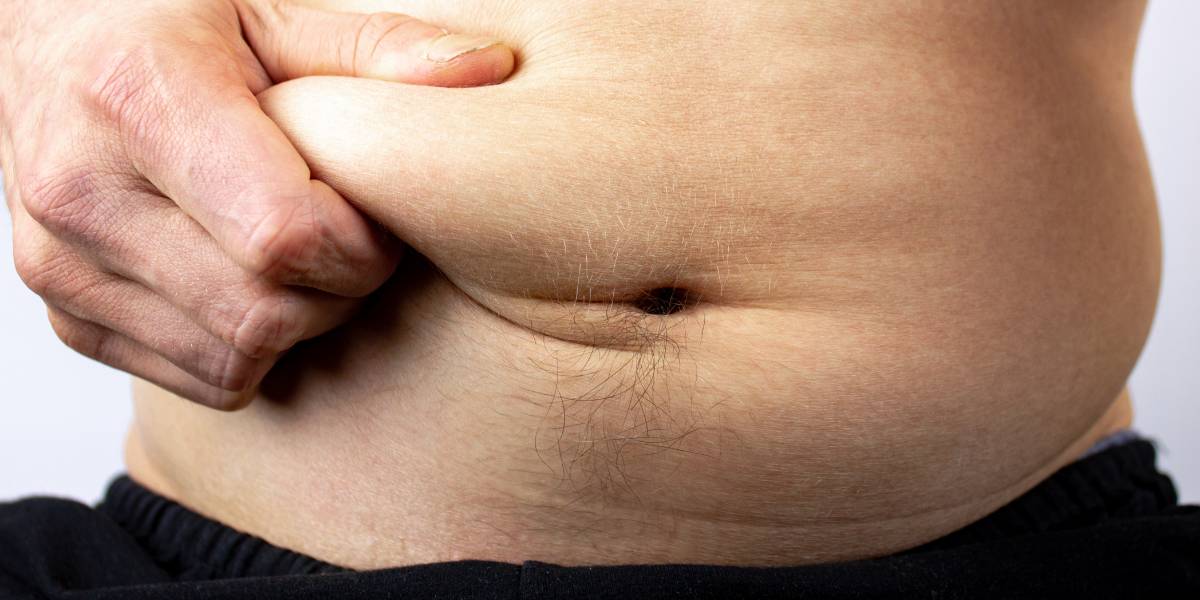
- In a long term study, the mix of a larger waist and low muscle mass was tied to an 83% higher risk of death
- Abdominal fat alone was not linked with higher risk if muscle mass was adequate
- Simple clinic style checks may help spot sarcopenic obesity earlier, without expensive scans
Researchers analysing data from the English Longitudinal Study of Ageing have reported a stark finding: older adults with both abdominal obesity and low muscle mass faced a much higher risk of death than those without these issues.
The work drew on 12 years of follow up for 5,440 participants aged 50 and over.
The researchers focused on a dangerous combination often referred to as sarcopenic obesity, where muscle is lost while fat increases.
It is linked with frailty, reduced independence, higher fall risk and a poorer quality of life.
One practical problem is diagnosis.
In research settings, sarcopenic obesity is often assessed using imaging or body composition tests such as MRI, CT, bioimpedance or densitometry.
These methods can be accurate, but they are costly and not widely available in routine care.
- New diabetes pill could burn fat without harming appetite
- Alternate day fasting leads to fat loss and muscle loss
- Lean pork after weights linked to stronger muscle gains than high fat pork
On top of that, there is still no global agreement on the best diagnostic criteria, which makes consistent detection harder.
This study highlights a simpler route.
The team found that straightforward measures, including waist circumference and an estimate of lean mass using an established equation based on factors like age, sex, weight, ethnicity and height, could act as a useful proxy for identifying people at higher risk.
The headline result was the combined effect.
People with both abdominal obesity and low muscle mass had an 83% higher risk of death compared with those without either condition.
The study also reported that people with low muscle mass but no abdominal obesity had a lower risk of death than the reference group, while those with abdominal obesity but adequate muscle mass were not associated with an increased risk.
The authors argue this underlines how damaging the combination can be, rather than waist size alone.
They also offer a biological explanation for why the pairing is so harmful.
Excess fat can intensify inflammation and metabolic changes that accelerate muscle breakdown.
Fat can also infiltrate muscle tissue, reducing muscle quality and function over time.
- Hidden fat can quietly damage your arteries even if your BMI looks normal
- Ultra processed foods linked to more fat gain even with the same calories
- Study reveals how weight loss changes fat tissue at cellular level
For screening, the study used waist circumference cut offs of more than 102 cm for men and more than 88 cm for women as a marker of abdominal obesity.
Low muscle mass was defined using skeletal muscle mass index thresholds of less than 9.36 kg per square metre for men and less than 6.73 kg per square metre for women.
The takeaway is not that every older adult needs a high tech body scan.
It is that clinicians and services may be able to spot a high risk pattern earlier using measures they can realistically collect, then act with the interventions that are already proven to help, particularly resistance training, adequate protein intake and tailored nutrition support.
Reference: Guandalini VR et al. Can simple measures from clinical practice serve as a proxy for sarcopenic obesity and identify mortality risk? Aging Clinical and Experimental Research. 2024. DOI: 10.1007/s40520-024-02866-9


