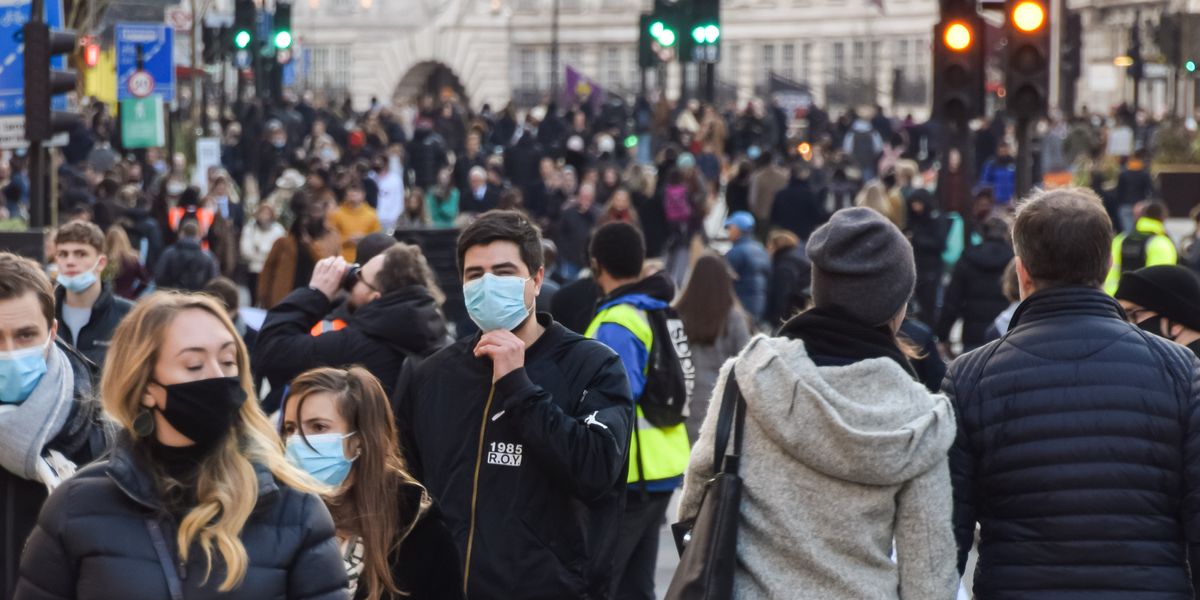

A sharp rise in flu cases is putting pressure on schools and the NHS in the run up to Christmas, with health leaders asking people who are coughing or sneezing to wear a face covering in public spaces, especially on buses, trains and in crowded indoor areas.
For people living with diabetes, this matters.
Flu can trigger serious complications, raise blood glucose levels, and increase the risk of hospital admission, so the current situation is not something to shrug off.
A tough flu season arriving early
NHS leaders describe a very nasty strain of flu that has arrived earlier than usual and is spreading quickly in the mild wet winter weather.
Hospitals in England are already seeing record numbers of patients with flu for this point in the season, with people needing both general ward care and intensive care.
Experts say the dominant strain is an influenza A H3N2 variant that has drifted away from the strain used to make this year’s vaccine.
That does not mean the vaccine is useless, but it does mean the virus has changed enough to spread more easily, particularly among children who then pass it on to adults.
- Flu and Diabetes
- Robbie Williams believes eyesight worries are linked to weight loss injections
- GLP1 weight loss drugs linked to small rise in chronic cough
Flu seasons often begin in schools, move rapidly through classrooms, then spill into the wider community.
This appears to be happening now, only more intensely and earlier than usual.
Calls to wear masks when you are ill
Daniel Elkeles, who leads NHS Providers, has warned that people who are coughing or sneezing but still going to work or travelling should wear a face covering in public places such as trains and buses.
His point is simple. If you are unwell enough to spread a virus, you should do what you reasonably can to avoid passing it on.
During the Covid pandemic many people got used to mask wearing, hand washing and staying away from others when ill.
Health leaders now want some of those habits to return, at least during this difficult winter period.
Downing Street has stopped short of issuing any new formal rules, but has said that masks are one measure people can consider if they have flu like symptoms and want to reduce the risk of spreading illness.
The UK Health Security Agency has also repeated that masks remain a useful tool in some situations to limit the spread of respiratory viruses.
Not everyone agrees. Some politicians have pushed back, saying face coverings are a barrier to normal social life and that people should not be forced to wear them. For now this is about personal choice rather than new mandates.
Schools under strain
Schools across the country have reported heavy absence and significant disruption as the current flu wave spreads.
Some secondary schools have closed for several days at a time in order to carry out deep cleaning after hundreds of pupils and staff fell ill.
Others have tried to stay open but have brought in measures to reduce spread, such as changing assemblies and limiting activities that involve lots of people in one room.
One primary school in Leeds stopped singing in assemblies because staff remembered how singing helped viruses spread during Covid restrictions.
They still want children to enjoy Christmas plays and nativities, but they are trying to make these events as low risk as possible rather than cancelling everything.
The pattern is the same in many areas.
High numbers of children off sick, staff shortages, and schools trying to strike a balance between normal life and sensible infection control.
Why this matters for people with diabetes
Flu is not just an unpleasant week in bed for many people with diabetes. It can:
- Push blood glucose levels up because of the stress response and infection
- Make it harder to eat and drink normally
- Increase the risk of diabetic ketoacidosis for people with type 1 diabetes
- Increase the risk of serious complications and hospital admission in people with type 2 diabetes, especially if they have heart or kidney problems
If you live with diabetes you are already at higher risk of complications from flu and other respiratory infections.
That is why flu vaccination is offered free each year to eligible people with diabetes and why NHS guidance is very clear that you should take up the jab.
Even though the main circulating strain has drifted from the vaccine strain, the jab is still expected to offer some protection.
It may not completely prevent infection, but it can reduce the severity of illness and the risk of ending up in hospital, which is exactly what matters most.
Flu symptoms to look out for
Flu tends to come on suddenly. Common symptoms include:
- Feeling very tired very quickly
- High temperature or feeling feverish
- Dry cough
- Aches and pains in muscles and joints
- Headache
- Sore throat
- Runny or blocked nose
- Sometimes vomiting or diarrhoea
Colds usually build more slowly and are milder.
If you suddenly feel wiped out, develop a fever and have a hacking cough, it is more likely to be flu.
If you have diabetes and develop these symptoms, you should:
- Check your blood glucose more often
- Drink plenty of sugar free fluids
- Follow your sick day rules if you have them from your diabetes team
- Seek medical advice early if levels stay high, if you cannot keep fluids down, or if you feel very unwell
Protecting yourself and others this winter
With the current flu wave and Covid still circulating, a few simple steps can make a real difference, particularly if you have diabetes or live with someone who does.
- Get your flu jab if you have not had it yet. It is not too late and some protection is far better than none.
- Stay up to date with Covid vaccination if you are eligible.
- Wear a face covering in busy indoor spaces if you have any respiratory symptoms, especially on public transport.
- Stay at home if you feel very unwell rather than pushing through at work or school.
- Keep windows cracked open where possible in shared spaces to improve ventilation.
- Wash your hands regularly and avoid touching your face with unwashed hands.


