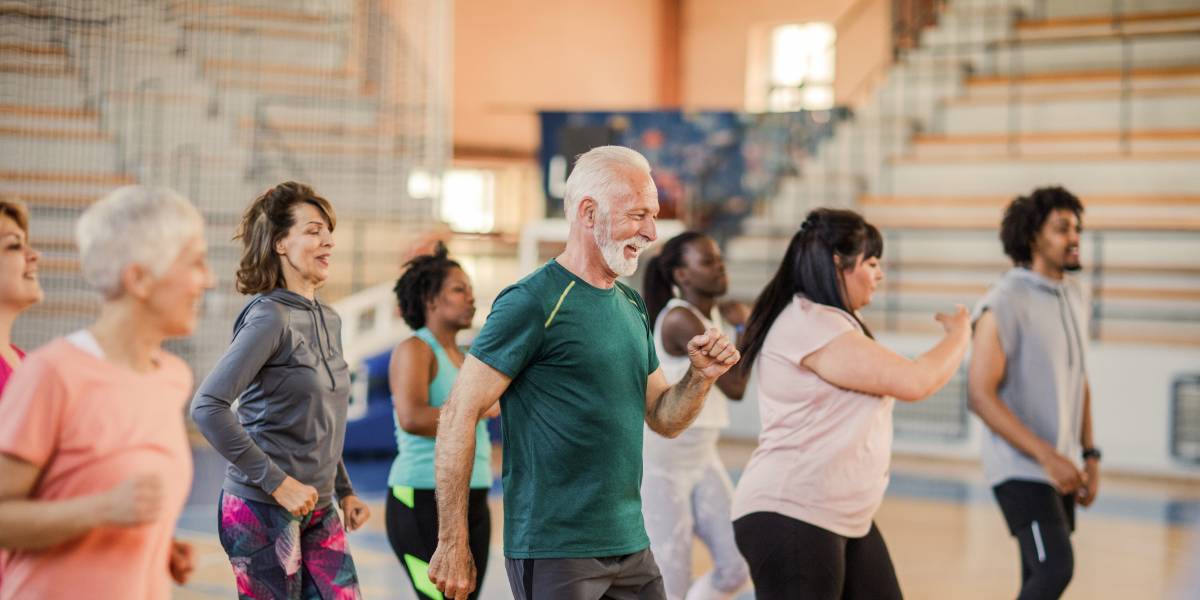

- Vibration applied to tendons before cycling made people work harder at the same perceived effort
- Heart rate and power output increased, yet volunteers reported the same level of difficulty
- The technique may alter how the brain interprets signals from muscles and joints
Many people with diabetes are told to exercise more, yet feel that even a short session is exhausting.
A team led by researchers at Université de Montréal has been exploring whether nudging the brain can change how hard exercise feels.
Their conclusion is cautiously optimistic.
In a study published in the Journal of Sport and Health Science, the group found that vibrating certain tendons before cycling allowed people to produce more power without feeling that the task was any harder.
Volunteers visited the laboratory for two cycling sessions.
In both, they were asked to pedal on a stationary bike at what they felt was a moderate or an intense effort for three minutes.
They adjusted their speed so that the effort stayed at the prescribed level.
- Polluted air can blunt the benefits of exercise
- Simple reflection exercises tackle procrastination
- Mediterranean-style diet paired with moderate exercise significantly reduces type 2 diabetes risk
In one session, a vibrating device was strapped to the Achilles and knee tendons for ten minutes before cycling. In the other session, there was no vibration.
The vibrations were tuned to affect receptors that sense stretch and movement in muscles and tendons.
What changed
When participants cycled after tendon vibration, they produced more power and had higher heart rates compared with the no vibration session.
Yet their ratings of perceived exertion were the same.
To them, the exercise did not feel harder, even though their bodies were clearly working more.
Researchers believe that vibration altered signals from neuromuscular spindles to the brain, changing how movement and effort were perceived.
In effect, the brain received a slightly different picture of what the body was doing and recalibrated the sense of effort.
- DOMS: Experts explain whether you should exercise when you are still sore
- Intensity of exercise could alter gut health in athletes
- Mortality risk reduced among people with type 2 diabetes by exercising twice a week
Potential uses and limits
The work is still at an early stage.
The effect has only been tested in a short, controlled cycling task in the laboratory.
There is no evidence yet that tendon vibration would help people run further, complete a full workout or maintain long term exercise habits.
The next steps include studying brain activity during and after vibration, and exploring how pain and fatigue influence perceived effort.
The hope is to identify methods, whether through devices or other interventions, that make physical activity feel more manageable.


