
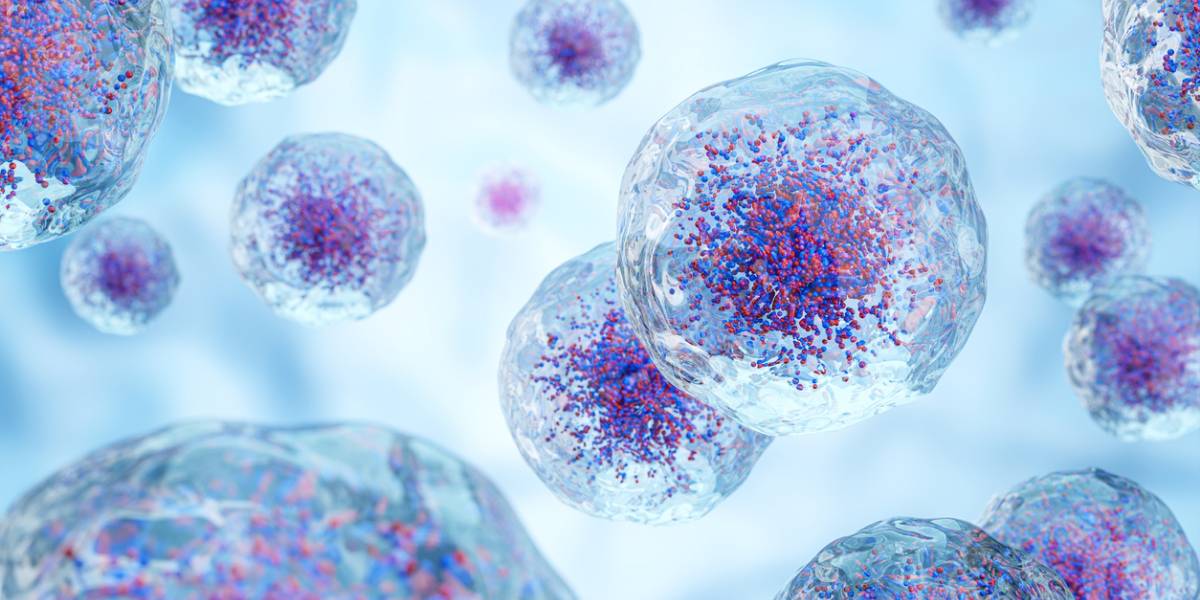
- Researchers found large numbers of fat-loaded immune cells in brain tissue from people with rapidly progressing multiple sclerosis.
- These “foamy” microglia may start out trying to clear damage, but become overloaded and fuel further inflammation.
- The findings could eventually help identify patients at higher risk of rapid progression.
Multiple sclerosis does not behave the same way in everyone.
Some people live with relatively mild symptoms for years, while others develop rapid disability.
A new study points to one possible reason: brain immune cells overloaded with fat.
Researchers examined brain tissue from people with MS and focused on microglia, the brain’s resident immune cells.
Normally, microglia help clear debris and support repair.
In MS, one of their jobs is to deal with damaged myelin, the fatty protective coating around nerve fibres.
But the study found that in more severe MS, some microglia become packed with fat droplets after taking up damaged myelin.
These are known as foamy microglia.
The researchers found that patients with large numbers of these cells more often had a severe disease course.
That suggests the cells may be more than a bystander.
The likely problem is overload.
The cells appear to be trying to clean up damage, but become overwhelmed by the volume of fatty myelin debris.
Once that happens, they may stop supporting repair and begin driving chronic inflammation instead.
The study also found that MS lesions containing foamy microglia had a different molecular profile.
They were enriched with certain fats linked to persistent inflammatory activity.
That makes the biology more interesting than a simple “inflammation is bad” story.
It suggests that failed repair and altered fat metabolism may be central to progression.
- Fasting diet may reduce gum disease inflammation
- CBD may calm brain inflammation in Alzheimer’s disease models
- Tomato-soy juice reduced inflammation markers in adults with obesity
The researchers also found signs that some of these fat-related molecules may be detectable in cerebrospinal fluid.
If future studies confirm that, they could become biomarkers.
That would help doctors identify people at higher risk of rapid decline and choose treatment more precisely.
This is still research, not a clinic-ready test.
But it adds an important piece to the MS puzzle.
The cells meant to clean up damage may, once overloaded, become part of the damage process themselves.


