Type 1 diabetes is an autoimmune disease that causes the insulin producing beta cells in the pancreas to be destroyed, preventing the body from being able to produce enough insulin to adequately regulate blood glucose levels.
Type 1 diabetes may sometimes be referred to as juvenile diabetes, however, this term is generally regarded as outdated as, whilst it is commonly diagnosed in children, the condition can develop at any age.
Insulin dependent diabetes is another term that may sometimes be used to describe type 1 diabetes.
Because type 1 diabetes causes the loss of insulin production, it therefore requires regular insulin administration either by injection or by insulin pump.
Type 1 diabetes symptoms
Type 1 diabetes symptoms should be acted upon immediately, as without treatment this type of diabetes can be deadly.
Symptoms include:
- Above average thirst
- Tiredness during the day
- Needing to pee regularly
- Unexplained weight loss
- Genital itchiness
Type 1 diabetes tends to develop more slowly in adults than it does in children and in some cases type 1 diabetes in adults may be misdiagnosed as type 2 diabetes.
Type 1 diabetes in adults over 35 years old will sometimes be referred to as Latent Autoimmune Diabetes of Adulthood (LADA).
- See more information on recognising the signs of type 1 diabetes
Type 1 causes
Type 1 diabetes is caused by a fault in the body’s immune response in which the immune system mistakenly targets and kills beta cells, the cells in the pancreas responsible for producing insulin.
As more insulin producing cells in the pancreas are killed off, the body can no longer control its blood glucose levels and the symptoms of diabetes begin to appear.
What causes the initial fault in the immune system is yet to be discovered, however, research suggests that the condition results from a combination of genetic predisposition with an environmental trigger.
What triggers the immune system to behave this way is yet to be conclusively identified. To date, the strongest evidence points towards a virus as being the most likely trigger.
- Read more about the causes of type 1 diabetes
Diagnosis
If you show signs of having diabetes, your doctor may use blood or urine tests to diagnose diabetes. Your doctor should consider which type of diabetes you have as this can affect how your diabetes is treated. If the type of diabetes is unclear, your doctor may decide to carry out one or more of the following tests:
Because type 1 diabetes can develop quickly within children and young adults, a diagnosis of type 1 diabetes should be followed by same day referral to a multidisciplinary paediatric diabetes care team.
Treatment for type 1 diabetes
The impairment of the pancreas’ ability to produce insulin in type 1 diabetes means that insulin treatment is necessary.
Most people will take insulin by injection with insulin pens. Insulin can also be delivered by wearing an insulin pump. Use of an insulin pump will be considered in people that express an interest in having one and that meet certain eligibility criteria.
It is important that you are given education on how to balance insulin doses with dietary intake and physical activity and how to use blood glucose testing to help you control your diabetes.
Staying physically active and exercising regularly and eating a healthy diet are also important towards maintaining good blood glucose control and minimising the risk of long term diabetes complications. Although diet and exercise have a role to play in type 1 diabetes management, they cannot reverse the disease or eliminate the need for insulin.
- How to test your blood glucose
- How to treat a hypo
- How to inject insulin
- If you have recently been diagnosed, see our newly diagnosed with type 1 diabetes guide.
Type 1 diabetes and complications
Type 1 diabetes is a serious condition which can carry a significant risk of both short term and long term complications.
Short term complications
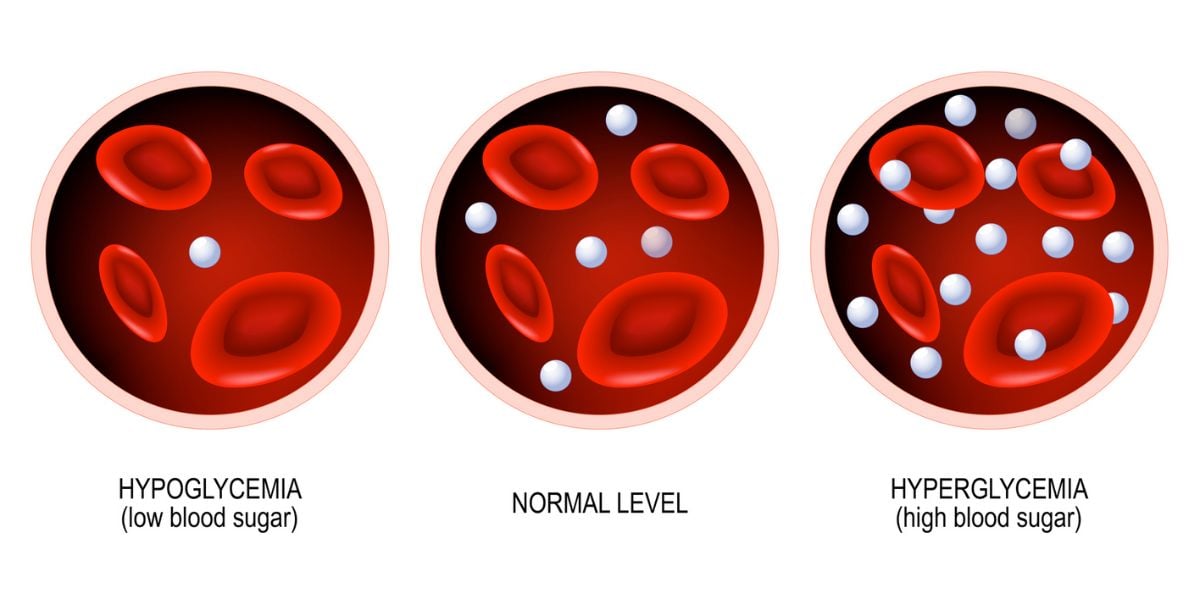
Short term complications can occur if blood glucose levels go too low or if insulin injections are missed. The short term complications that can occur are:
- Hypoglycemia – too low blood sugar levels
- Ketoacidosis – which can occur if insulin doses are missed or blood glucose levels become too high
Long term complications
Type 1 diabetes can lead to the development of the following long term diabetes complications:
Whilst the list of complications is a scary prospect, the chances of developing these can be significantly reduced by maintaining good control of your blood glucose levels and ensuring you attend all your diabetic complication screening appointments.
Prevention
In the future, research may find a way to halt the development of type 1 diabetes but, to date, no intervention has successfully prevented type 1 diabetes in humans.
Type 1 diabetes research
Researchers from around the globe are looking for ways to improve type 1 diabetes treatment and to investigate possible cures. Important research areas include:
Type 1 diabetes facts
The risk of developing type 1 diabetes can be affected by your genetics ; i.e. if your parents or siblings have type 1 diabetes.
- In terms of inheritance of type 1 diabetes – there is a 2% risk if the mother has type 1 diabetes, 8% risk if the father has type 1 diabetes; and a 30% risk of the child developing type 1 diabetes if both parents are type 1 [5]
- Within 20 years of diagnosis of type 1 diabetes, nearly all of those diagnosed have some degree of retinopathy [1]
There is also a sub-type of type 1 diabetes known as brittle diabetes.
Famous people with type 1 diabetes include:
- Young pop-rock sensation Nick Jonas
- Actress Sharon Stone
- From the UK, extreme snowboarder Chris Southwell


