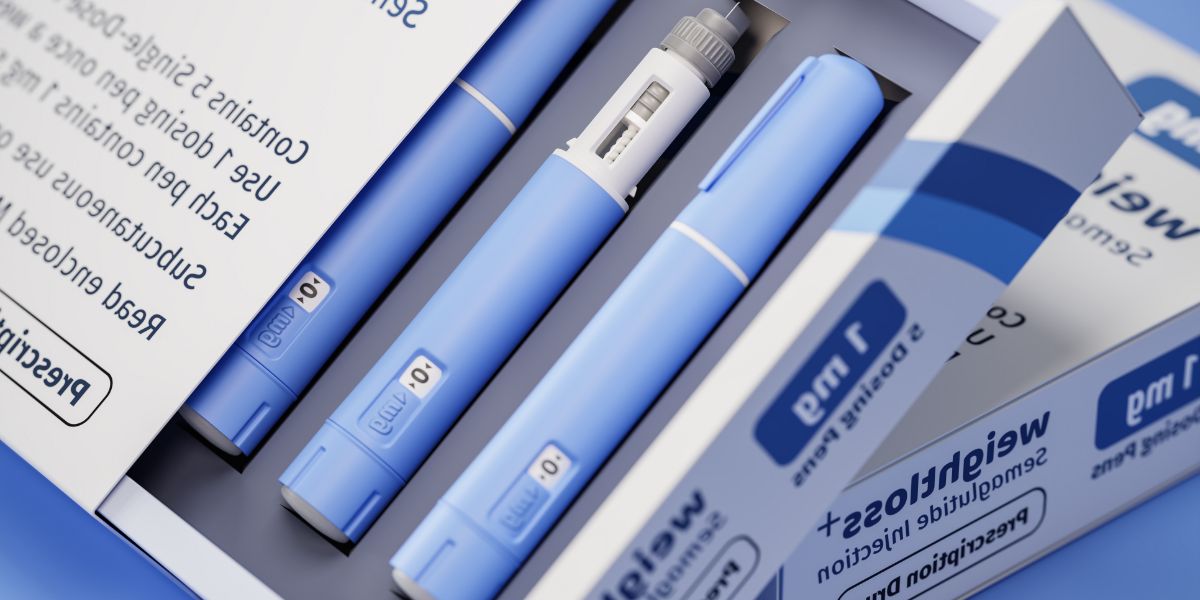

- Real world data show tirzepatide and semaglutide reduce heart attack, stroke and death in type 2 diabetes
- Benefits appear early and are stronger than for older comparator drugs
- Head to head analyses suggest only modest differences between the two medicines
For adults with type 2 diabetes, cardiovascular disease remains a leading cause of illness and death. GLP 1 based drugs such as semaglutide and tirzepatide are already known for their powerful effects on weight and glucose control.
Trials have shown that semaglutide can reduce major cardiovascular events, but the extent of tirzepatide’s heart protection has been less clear.
A team at Mass General Brigham set out to compare both drugs using large scale data from everyday clinical practice, rather than only relying on tightly controlled trials.
Mining real world healthcare data
Researchers examined national health insurance claims covering nearly one million adults with type 2 diabetes. They compared cardiovascular outcomes in people using:
- Semaglutide
- Tirzepatide
- Other diabetes therapies, including sitagliptin and dulaglutide
Sitagliptin was chosen as a comparator because it is considered neutral for cardiovascular risk.
Dulaglutide, an older GLP 1 receptor agonist, served as another reference point.
Clear reductions in heart events
Among people at higher cardiovascular risk:
- Semaglutide reduced the combined risk of heart attack and stroke by about 18 percent compared with sitagliptin
- Tirzepatide reduced the combined risk of heart attack, stroke and death by about 13 percent compared with dulaglutide
These benefits appeared early in treatment, suggesting that mechanisms other than weight loss alone are contributing to cardiovascular protection.
The exact biological pathways remain under investigation but may involve direct effects on blood vessels, inflammation and cardiac metabolism.
Only small differences between the drugs
Manufacturers of GLP 1 drugs have previously presented database analyses claiming that their own product offers substantially greater cardiovascular benefit than its rival. The Mass General Brigham study paints a more measured picture.
When researchers directly compared tirzepatide and semaglutide in populations at risk of adverse events, they found only modest differences in protective effect.
- Robbie Williams believes eyesight worries are linked to weight loss injections
- MHRA smashes first illicit weight loss jab factory in record raid
The take home message is that both drugs provide strong cardioprotection for people with type 2 diabetes in real world care.
What this means in practice
The authors hope their work will help clinicians make more informed decisions when selecting GLP 1 based therapies for patients with cardiovascular risk.
Because the analysis used routine clinical data, it better reflects the broad mix of patients seen in everyday practice than traditional trials with strict eligibility criteria.
The team also emphasised their use of transparent methods, including preregistered protocols and shared analytic code, to support scrutiny and replication. Funding came from the National Institutes of Health and the German Heart Foundation.
Several authors reported research funding or consultancy fees from pharmaceutical and analytics companies, disclosed in the paper.


