A low glycemic index diet can be particularly effective for people with diabetes if portion control is also applied to those foods with higher carbohydrate content.
This is the basis of working out a food’s glycemic load
Low GI diets are diets which incorporate foods which are more slowly converted into energy by the body.
The NHS notes that low GI diets can be a suitable option for people with diabetes as they can help to blood glucose levels more stable than diets based around high GI foods.
What does low and high GI mean?
The glycemic Index ranks food depending on the rate at which the body breaks it down to form glucose
High GI foods are those that are quickly broken down into glucose. Typical examples of high GI foods include white bread, sweetened drinks, biscuits, potatoes and oranges.
Low GI foods are those that are broken down more slowly by the body. Typical examples of low GI foods include whole grain bread, milk, beans, leafy vegetables and berries.
What do low GI foods do in relation to diabetes?
As low GI foods tend to break down more slowly, they are less likely to cause a rapid increase in blood sugar levels compared to high GI foods and therefore they are a better option for keeping stable blood glucose levels.
Favouring low GI foods over high GI foods leaves you feeling more satisfied over a longer period of time, and less likely to feel hungry before the next meal.
What do high GI foods do in relation to diabetes?
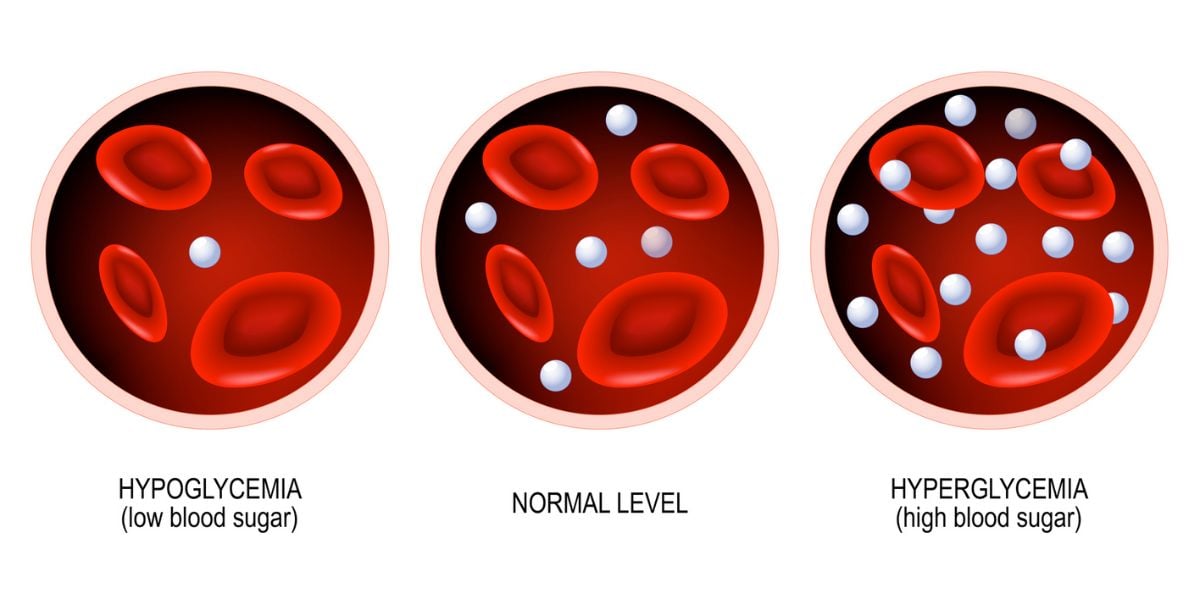
High GI foods break down very quickly causing blood glucose levels to rise sharply. People with diabetes refer to sharp rises in blood sugar levels as ‘spikes’ in blood sugar.
Furthermore, for those who produce their own insulin, high GI foods can force the body to try to produce a surge of insulin to counteract the quick acting carbohydrates and a common consequence of this is a feeling of hunger within 2 to 3 hours, which can leave the dieter craving more food.
For people with diabetes, this can be particularly dangerous as the ability of the body to control blood glucose levels is reduced or non-existent.
For this reason, people with diabetes have to be careful when it comes to eating high GI foods
Benefits of low GI diets
Low GI diet generally have the following benefits:
- Have a higher nutritional value than higher GI equivalents
- Provide prolonged release of energy
- Reduce the immediate demand for insulin following eating
- Allow for a varied diet to be eaten
- Glycemic index charts make food choices easy to follow
Disadvantages of low GI diets
The main disadvantage of low GI diets for people with diabetes comes if the overall carbohydrate content of meals is too high for the body to comfortably cope with.
For example, a large portion of a bran based cereal for breakfast will typically be low GI but could contain a relatively high value of carbohydrate.
In this case, the carbohydrate content of the meal could be too high for some people with diabetes, causing their blood glucose levels to rise too high over a period of hours.
However, this needn’t be such a problem if portion control is applied to any foods that have a higher carbohydrate content.
When the glycaemic index value of a food and its carbohydrate content are taken into account together, this is the basis of working out the glycemic load of a portion.
What foods are considered low GI?
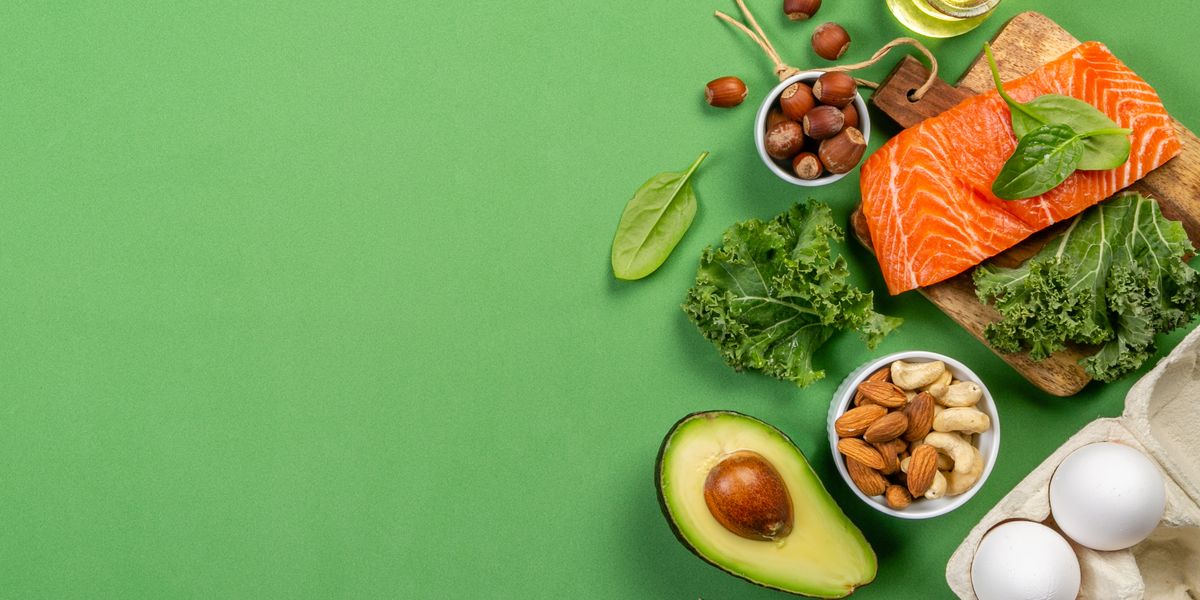
Low GI foods that are considered suitable for people with diabetes include
- Some fruit
- Non-starchy vegetables
- Whole grains
- Nuts
- Lean meats
- Unsweetened dairy produce
- legumes
Care should be taken with fruits and vegetables as the GI value of these food groups can vary quite significantly.
- Lower GI fruits include berries, plums, kiwi fruit and grapefruit.
- Higher GI fruits include bananas, oranges, mango, grapes, raisins, dates and pears.
- Lower GI vegetables include lettuce, broccoli, cabbage, cauliflower and peppers.
- Higher GI vegetables include carrots, potatoes, parsnips, beetroots and sweetcorn.