Carbohydrate is one of the body’s main sources of energy.
Carbohydrate is broken down into glucose relatively quickly and therefore has a more pronounced effect on blood sugar levels than either fat or protein.
This makes awareness of carbohydrate a particular important factor in management of diabetes.
Which foods contain carbohydrate?
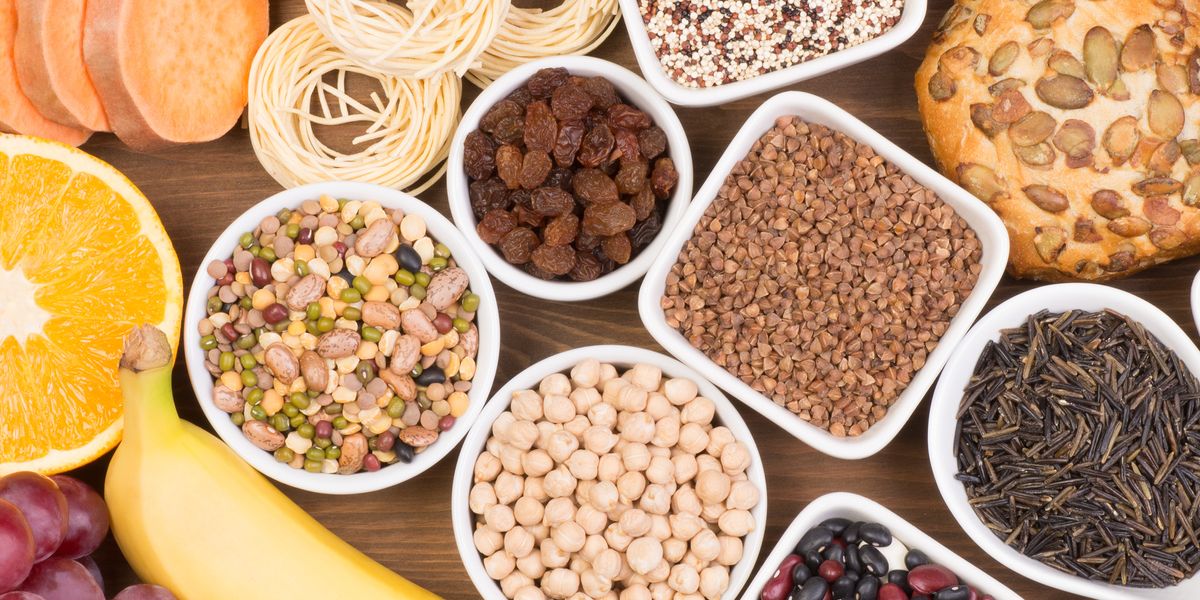
Carbohydrate is found, to varying degrees in a wide variety of food, notably in starchy foods such as rice, pasta and flour (therefore including pastry, bread and other dough based foods).
Sugar is also a form of carbohydrate.
Carbohydrate is generally found in all fruits and vegetables, however, the amounts of carbohydrate can vary substantially.
Carbohydrate is generally found, at least to some degreen, in all fruits and vegetables
However, the amounts of carbohydrate can vary substantially with vegetables such as celery having almost negligible carbohydrate whilst potatoes and citrus fruits typically have a higher amount of carbs.
Fruit and vegetables with relatively high carbohydrate content include:
- Potatoes
- Root vegetables (such as parsnips and beetroot)
- Mangoes
- Bananas
- Pears
How much carbohydrate is recommended for diabetics?
The optimum level of carbohydrate consumption for people with diabetes has been one of the hottest diabetic debates in the last few decades.
The recommendation of the Scientific Advisory Committee on Nutrition (SACN) for carbohydrate intake for people with diabetes is no different to people without diabetes.
The SACN recommend that 50% of our daily energy comes from carbohydrates. This amounts to about 225 to 300g of carbohydrates for people on a diet of 2,000 to 2,500 calories
The recommendations are typically passed down to patients through the NHS.
However, the NHS carbohydrate advice has come under a lot of criticism from those who feel that for people with type 2 diabetes, in particular, the level of carbohydrate intake is too high for many people with diabetes to maintain good blood glucose levels without progressing onto stronger diabetes medication.
Carbohydrate and blood glucose levels
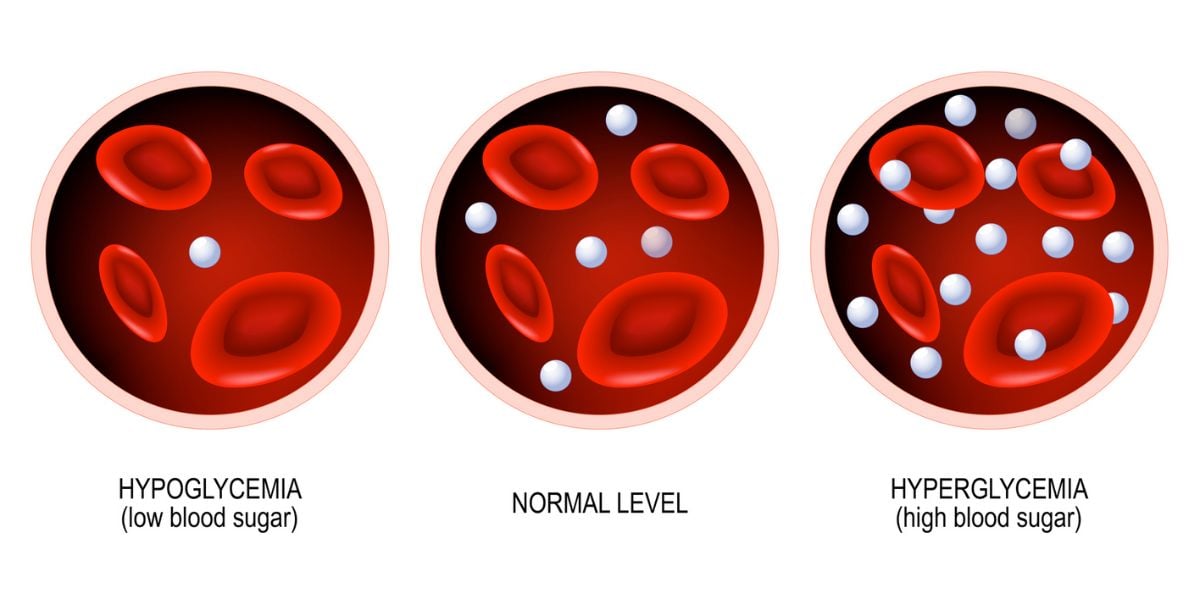
Because carbohydrate directly influences blood sugar levels, it is important to be aware of how much carbohydrate you are having at each meal.
It is often easy to underestimate exactly how much carbohydrate you’re having, particularly when eating starchy foods such as pasta, rice and potatoes.
Referring to the nutrition information and weighing out certain foods will help you to see how much carbohydrate you are having.
Types of carbohydrate
There are different types of carbohydrate which are broken down quickly or less quickly because of their chemical structure.
- Simple carbohydrates are sugars and are broken down quickly by the body and therefore raise blood sugar levels quickly
- Complex carbohydrates are starches and broken down more slowly than simple carbs and will raise sugar levels more slowly.
Note that eating highly refined starches such as white bread will usually result in a sharp rise in blood sugar levels.
Whole grain foods, which have a greater level of fibre, are a much better choice of starches as the fibre helps to slow down how quickly the food affects your blood sugar levels.
- Read more: Simple and complex carbs
Carbohydrate and type 1 diabetes
In type 1 diabetes, the amount of insulin you will produce is likely to be either a small or negligible amount. As a result, people with type 1 diabetes will need to inject insulin and pay close attention to matching the dosage with the amount of carbohydrate eaten.
To match the insulin dosage with carbohydrate intake as closely as possible, people with type 1 diabetes will need to learn to estimate and count the amount of carbohydrates in each meal.
Correctly estimating carbohydrate content can be a difficult skill to pick up; as a result, a number of carbohydrate counting courses, such as the DAFNE course, have been developed to assist with carbohydrate counting as well as other key aspects of insulin dosing decisions.
Carbohydrate and type 2 diabetes
People with type 2 diabetes are able to produce their own insulin but are not able to respond to insulin as effectively as people without the condition. This is called insulin resistance The body’s natural response is to produce more insulin to help get glucose from the blood into the cells that need it.
Generally, the higher the amount of carbohydrate eaten, the more likely it is that the body will struggle to produce enough insulin. As a result, people with type 2 diabetes on a relatively high carbohydrate diet are more likely either to have too high blood glucose levels or to need larger doses of stronger diabetes medication.
There are two main ways to combat and cope with insulin resistance. The primary way is to reduce your body’s need to produce insulin by lowering your calorie intake, including the amount of carbohydrate eaten, and by exercising.
Some people will also require the additional measure of taking diabetes medication to ensure sugar levels stay at healthy levels.
Note that the greater your dependence on medication, the greater the extent of medication side effects therefore it’s important to make sure you’re working hard in meeting the first option.
As noted above, the NHS does not generally advise people with type 2 diabetes to go onto a low carb diet, however, many patients have opted to go for this approach of their own accord.
Carbohydrate and weight gain
When carbohydrates are broken down into glucose within the blood, the body will:
- Use insulin to help fuel the body’s cells
- Use insulin to turn any remaining excess of glucose in the blood into fat for storage
Carbohydrates provide energy and therefore if you have too high a level of carbohydrate in your diet this can lead to weight gain.
It is important therefore to ensure you are having an appropriate level of carbohydrate and overall calorie intake to ensure weight gain is prevented.
The amount of calories you need varies from person to person and your doctor and dietitian can help with setting an appropriate level for you personally.
Carbohydrate and high cholesterol
Whilst it is often high fat diets that are most commonly mentioned as being associated with unhealthy cholesterol levels, the true cause of blame for high cholesterol is any form of excessively high calorie diet.
Having a high calorie diet, whether that comes from too many carbohydrates or too much fat, will lead to the storageof excess body fat as well as the development of high triglyceride and cholesterol levels.


