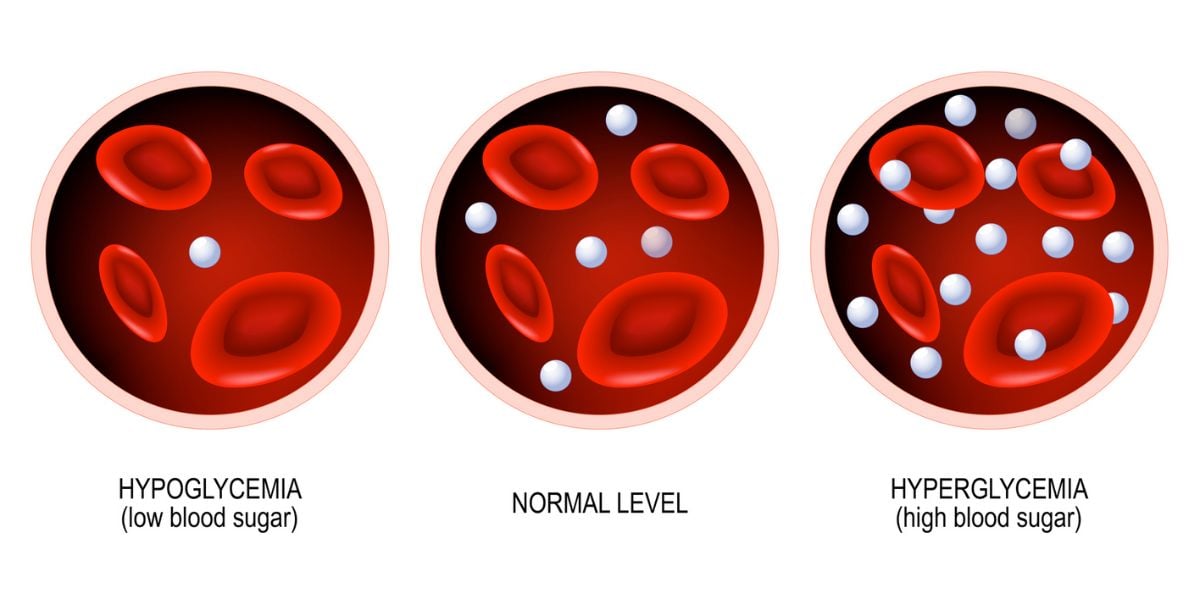
Many people with diabetes are following a low carb diet because of its benefits in terms of improving diabetes control, weight loss and being a diet that is satisfying and easy to stick to.
Low carb diets are flexible and can be followed by people with different types of diabetes.
The diet has allowed many people with type 2 diabetes to reverse type 2 diabetes, that is to get their blood sugar levels into a non-diabetes range without the help of medication.
People with type 1 diabetes have also reported much more stable blood sugar levels, making the condition easier to predict and manage.
The diet is a healthy way of eating as vegetables and natural, real foods are integral to the diet.
Low carb guidance and support
The low carb diet forum has been cited as a leading resource in providing support and encouragement for people that are looking to achieve lower HbA1c levels and sustain effective weight loss.[127]
Why follow a low carb diet?
Carbohydrate is the nutrient which has the greatest effect in terms of raising blood sugar levels and requires the most insulin to be taken or be produced by the body.
Lowering sugar levels is clearly a benefit for people with diabetes. Lower need for insulin is also particularly useful as lowering insulin in the body can reduce insulin resistance which can help towards reversing type 2 diabetes.
Insulin is also the fat storage hormone in the body, so reducing insulin in the body with a low carb diet can help with losing weight.
Benefits of low carb diets
The benefits of a low carb diet typically include:
- Lower HbA1c
- Improved weight loss
- Less chance of high sugar levels occurring
- Lower risk of severe hypos
- More energy through the day
- Less cravings for sugary and snack foods
- Clearer thinking
- Lower risk of developing long-term health complications
What counts as low carb?
Low carb is a flexible way of eating that allows you as an individual to choose a level of carbohydrate that works well for your diabetes and lifestyle.
The following brackets are used to categorise daily carbohydrate intake:
- Moderate carbohydrate: 130g to 225g of carbs
- Low carbohydrate: under 130g of carbs
- Very low carbohydrate: under 30g of carbs (also known as a ketogenic diet)
Generally speaking, the lower your carbohydrate intake, the more likely you are to lose weight and the lower sugar levels you are likely to have.
It’s important you choose a level of carbohydrate that works well for you.
For example, people with type 1 diabetes that do not need to low weight may wish to aim for a low or moderate carbohydrate intake.
Someone with type 2 diabetes, or needs to lose weight, may wish to aim for a low carbohydrate intake.
Take precautions
It is important that you speak to your doctor before significantly lowering your carbohydrate intake.
This is especially important if you are on medication that can cause hypoglycemia (low blood sugar), such as insulin, sulphonylureas or glinides.
How carbohydrates affect the body?
Carbohydrates, as do proteins and fats, provide energy so they help to fuel the body.
Carbohydrate is broken down into glucose so when carbohydrates are consumed, an increase in blood sugar levels occurs to a greater or lesser extent according to the amount of carbohydrate.
By reducing carbohydrate intake, you can help to reduce the rise in blood glucose levels after meals.
How will low carbing affect my weight?
Low carbohydrate diets have been found to be successful in aiding weight loss.
The reduction in carbohydrates means that people need not produce, or inject, so much insulin.
As insulin helps to store fat, less circulating insulin could help to prevent, reduce or reverse weight gain.
Also, by restricting the amount of carbohydrates, people often lower their calorie intake at the same time as the focus on eating real foods and the satiating effect of fat means people are less likely to snack and overeat in general.
How to follow a low carb diet
A healthy low carb diet should have the following features:
- Strong vegetable intake
- Modest increase in fat intake from natural sources
- Moderate protein intake
- Low reliance upon processed food, sugar and grains
Read more on following a healthy low carb diet.
Low carb meal plan
You can browse a range of free 7 and 30 day low carb meal plans and cookbooks as a free Diabetes.co.uk member.
The Low Carb Program is an NHS-trusted app for people with type 2 diabetes and prediabetes shown to support weight loss, improved diabetes control and reduction in type 2 diabetes medication through adoption of a low carbohydrate diet.
The program was developed with Dr David Unwin and uses a real food approach, minimising ultra-processed and refined foods where possible.
Fats and protein
If you are significantly reducing the amount of carbohydrate in your diet, you may need to make up some of the reduced calories with either protein or fat.
It is advisable to ensure the fat content of your diet comes from natural sources, such as:
- Meat
- Fish
- Dairy
- Eggs
- Nuts
- Avocado
- Olives
- Olive oil
Natural sources of fat, such as the above, will provide a balance of monounsaturated, polyunsaturated and saturated fat.
Try to avoid processed foods and takeaways as the fat in these are generally either man made or highly processed.
When choosing protein, aim to have unprocessed cuts of meat as processed meats have been consistently linked with higher rates of heart disease and even insulin resistance.
What is the argument against low carb diets for people with diabetes?
If low carb diets can help to reduce blood glucose levels and aid weight loss, then why are low carbohydrate diets not advocated by the NHS? The truth is, they are – the Low Carb Program is an NHS certified education programme and used in the NHS.
The reason that is commonly cited is that there is not enough evidence to support the effectiveness and safety of low carbohydrate diets.
The question is a hotly debated one which has seen disagreement from both sides as to which diet is more safe and effective.
However, research in favour of low carb diets is growing and consistently shows low carb diets are superior to the low-fat diet typically advised by the NHS.
Further research demonstrates:
- Low carb diet shown to reduce high blood pressure
- Low carb diet could prevent type 2 diabetes even without weight loss
- Low carb diet to combat type 2 diabetes and obesity
What side effects exist on a low carb diet?
Side effects that can be commonly experienced on a low carb diet include:
- Fatigue
- Brain fog
- Headaches
- Constipation
- Possible nutrient deficiencies
Hypoglycemia (low blood sugar) may occur if you take insulin or tablets that can cause low blood sugar.
If you take medications that can cause hypos, it’s particularly important to discuss precautions to prevent hypos before starting a low carb diet.
- Read more on Low Carb Diet Side Effects
Is a low carb diet suitable for everyone?
Low carb diets are suitable for most people. As noted above, if you’re thinking of reducing your carbohydrate intake by a large amount, it’s best to check with your doctor if any precautions need to be made.
If you are pregnant, or planning pregnancy, a very low carb diet may not be appropriate as the safety of very low carbohydrate diets in pregnancy is not currently known.
For other questions, ask the low carb diet community on the Low Carb Forum.


