
Along with protein and carbohydrates, fat is one of the main macronutrients. Unlike carbohydrate, and to a small extent protein, the fat we eat does not directly raise our blood sugar levels, whether we have diabetes or not.
Fat is needed by the body for providing energy, keeping hair and skin healthy, helping our cells to function properly and for protecting our body and organs.
Which food is fat found in?
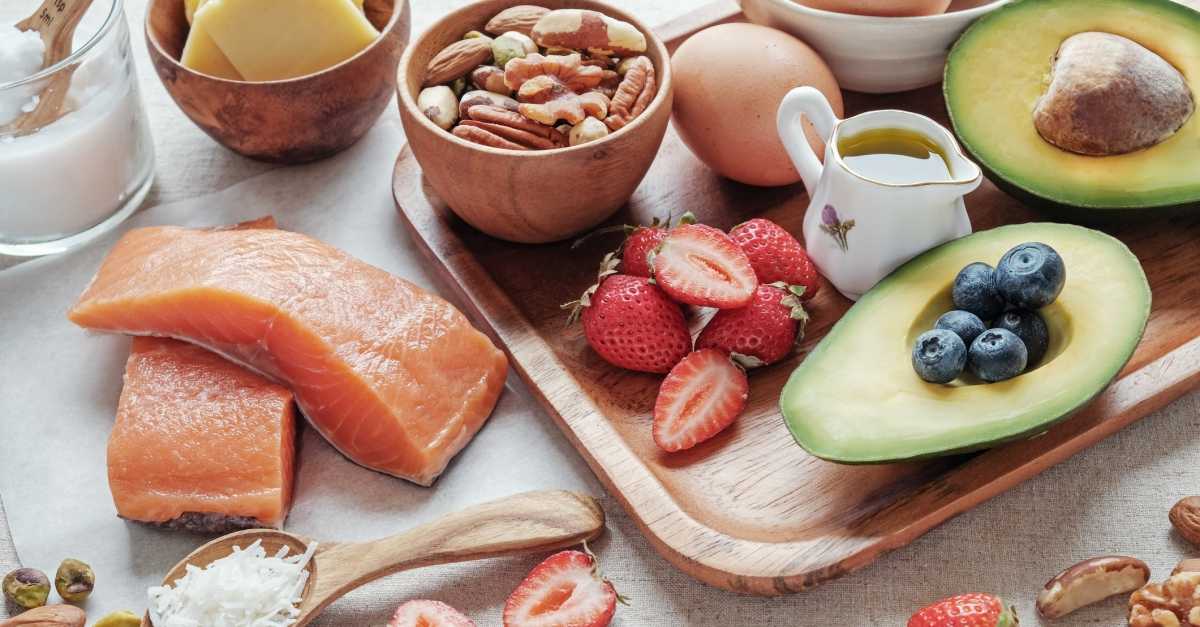
Fats are found in a range of foods which include nuts, avocados, beans, fish, meat, milk, cheese and other dairy products.
Fat is also used in the frying of foods and within processed foods including crisps, cakes, pastries and other bakery foods.
What are good and bad fats?
Good fat has typically been used to describe unsaturated fats that are found in nuts, avocados, oily fish, and oils such as sunflower and olive oil.
Saturated fats are often referred to as ‘bad fats’. Saturated fat is frequently found in less healthy foods such as crisps, chips and muffins but they are also found in meats, butter and other dairy.
The terms good and bad fats are a crude simplification and there is significant debate within nutrition research about which fats deserve to be termed ‘bad fats’.
In 2014, research from the University of Cambridge showed that the saturated fats found in dairy conveyed a lower risk of insulin resistance and type 2 diabetes than starchy foods.
What are trans fats?
Trans fats can be naturally occurring (in relatively tiny quantities) but generally refers to ‘man made’ fats that have been hydrogenated to chemically change the structure of the fat molecules.
Trans fats have been around for decades but in recent years they have come under scrutiny as they can be dangerous to health if consumed in too high quantities.
- Read more on trans fats
Diabetes and low fat diets
The advice of the NHS is for people to reduce the amount of fat, and particularly saturated fat, in their diet.
The low fat approach has been strongly recommended for people with diabetes.
However, low fat diets have come under a certain amount of criticism in that low fats diets often require a relatively high amount of carbohydrate in the diet which can lead to overproduction of insulin and could therefore lead to increased hunger through the day, weight gain and increased health problems.
Deficiencies of vitamins A and D in low fat diets, which help to prevent the development of osteoporosis, has also been a criticism of the diet.
Fat and cholesterol
When discussing the fat we eat and cholesterol, it is important to recognise the different types of fat as well as the different types of cholesterol
There are two different forms of cholesterol, LDL (low density lipoproteins) and HDL (high density lipoproteins). Whilst both forms are essential for the body, having either high levels of LDL or low levels of HDL is associated with higher risks of heart disease. For this reason, LDL is often referred to as bad cholesterol and HDL as good cholesterol.
An additional form of blood fats are triglycerides. High triglyceride levels are linked with higher rates of heart disease and other complications so any lowering of triglyceride levels is beneficial.
Saturated fats
Saturated fat can raise levels of both LDL and HDL. The type of foods you consume can make a difference though.
A low carb, high fat diet with a strong intake of vegetables is usually associated with beneficial effects on cholesterol, such as raised HDL levels and lower triglyceride levels.
Diets with a high amount of saturated fat coming from processed food such as chips, cakes and biscuits, however, are linked with poorer cholesterol levels and higher triglyceride levels.
Unsaturated fats
Unsaturated fat from nuts and avocados (the fats termed good fats) help to increase levels of HDL (good cholesterol).
HDL has a key role in helping to remove LDL from healed artery walls and back to the liver. HDL (good cholesterol) can therefore help to prevent LDL cholesterol from blocking arteries.
For this reason, it is believed to be beneficial to include foods with unsaturated fats, such as nuts, avocados and oily fish within one’s diet.


