
Nutrition is a critical part of diabetes care. Balancing the right amount of carbohydrates, fat, protein along with fibre, vitamins and minerals helps us to maintain a healthy diet and a healthy lifestyle.
Getting the balance right can help the body to stay in prime condition, but what is the right balance of nutrients? People have been arguing over the ideal mix for generations and the discussion still rages today.
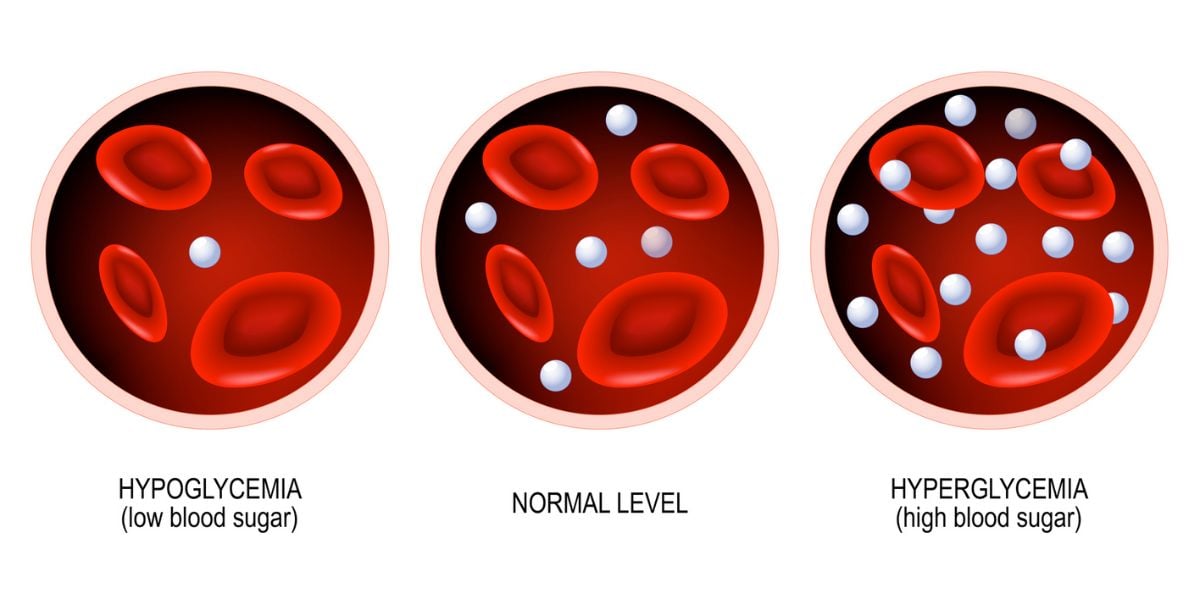
For people with diabetes, there is at least one extra consideration for our nutritional needs and that is the question of how our blood sugar levels will respond to different diets.
Macronutrients
The macronutrients referred to in human diets are the three food groups that provide us with energy, namely: carbohydrates, fat and protein. The three major nutrients are more than simply providers of fuel for our bodies.
Fats and protein are both vital for building cells and helping the cells carry out their duties. Each of the macronutrients are versatile allowing the body to break them down into a number of uses.
Carbohydrate can be stored as fat and fat and protein can both be converted into glucose for example.
Read more on macronutrients and their relevance to diabetes:
In addition, we have guides on the differences between carbohydrate types and sugar and fat.
Read more about trans fats and their relation to fats as well as guides to vitamins and supplements:
Micronutrients
Micro may mean small, but micronutrients are far from insignificant. Without a regular supply of micronutrients, our bodies would literally starve.
Micronutrients include all vitamins and minerals we take it i, often without realising, and are an essential part of a diabetic diet.
As an example, celery contains well over a dozen different micronutrients including a number of vitamins, potassium, calcium, iron and more.
If you feel you may be missing out on any particular nutrients, you can arrange to speak with a dietitian who will be happy to discuss your dietary needs.
Don’t forget dietary fibre
Last but not least, there’s also fibre which helps to move food through our digestive system, can help to delay the absorption of carbohydrate and also help us to feel full.


